
Dramatic coastlines, untouched desert areas, Roman ruins and authentic experiences. This is why Tunisia might be the best destination in Northern Africa
I went to Tunisia for a second time and it seems I still can’t get enough of this country. Even though it is the smallest country in northern Africa, it has so much beneath the surface, that I think I need to start planning a third trip into this country.
I know, right now Morocco and Egypt take the spot when it comes to a trip to Northern Africa, and that’s fine. Tunisia is not for the first time traveler, but for the one curious to explore where the rest has not explored. It is a deeper exploration in this part of Africa without the large crowds or overly complicated visas.
Small in size but incredibly diverse, Tunisia manages to combine Mediterranean beaches, Roman history, desert adventure, palm-filled oases, mountain treks, and some of the most accessible Sahara landscapes in North Africa. It’s one of the few destinations in the region where you can go from turquoise coastline to salt lakes to towering dunes in just a few hours of driving.
And that’s exactly why Tunisia might just be the best destination in Northern Africa.
Read more: How to plan a road trip in Tunisia
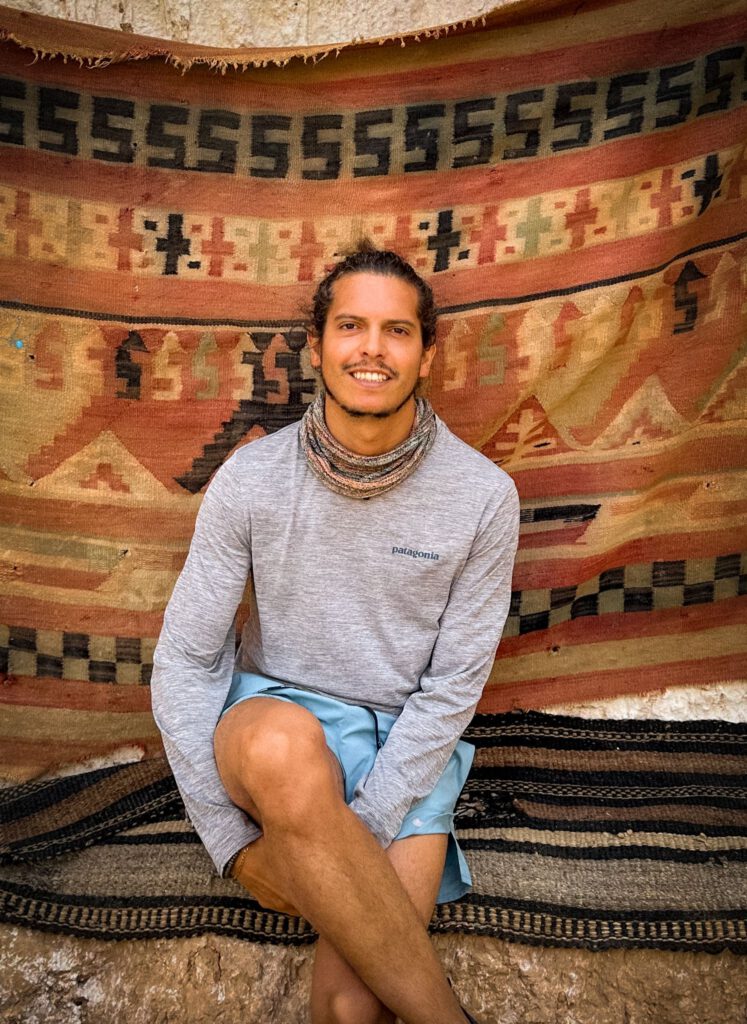
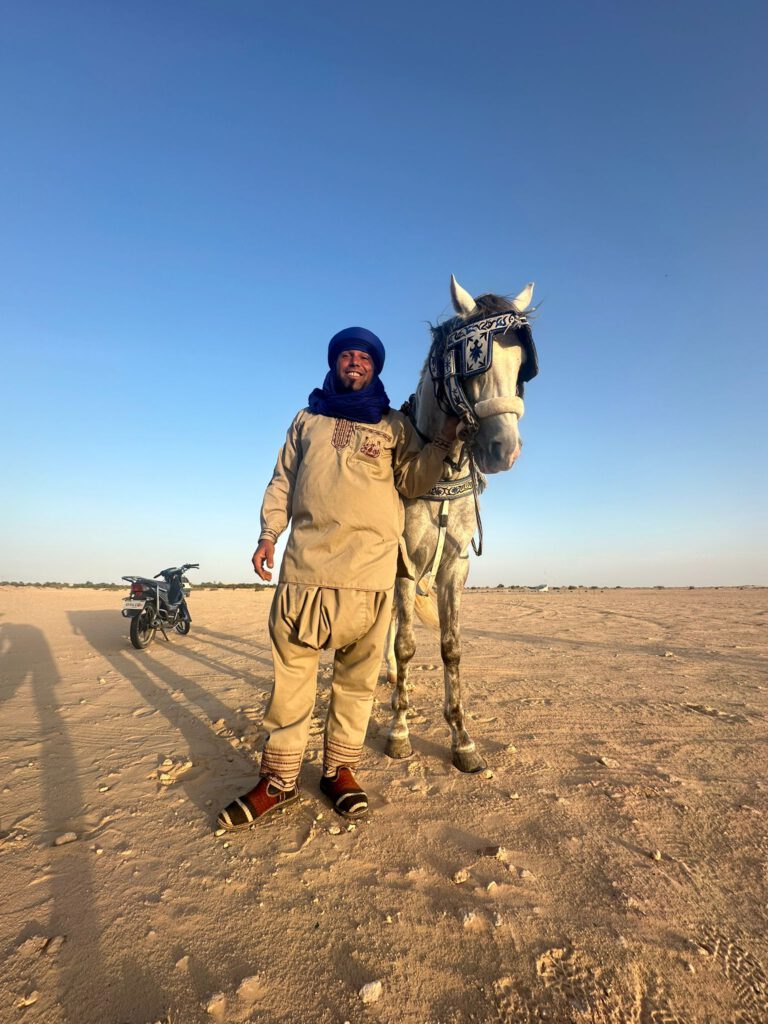
An Off-the-Beaten-Track Experience Without Feeling Remote
Tunisia sits in a sweet spot. It feels adventurous and authentic, yet it’s far easier to navigate than some of its neighbors.
Compared to Morocco, tourism here is lighter and less commercialized. You won’t find the same volume of tour buses or highly polished desert camps. Compared to Algeria or Libya, it’s dramatically easier in terms of logistics, safety, and infrastructure.
That balance makes Tunisia ideal for travelers who want something different, but not something difficult. I explored Tunisia both times with a small group, but the third time will be for sure completely independent and without a plan.
This is the country where you can explore historic medinas, drive across salt flats, camp in the Sahara, and hike through canyon-like oases without dealing with highly controlled travel zones or crowds waiting for a selfie. Tunisia still feels under the radar, especially in its southern regions.
The Perfect Country for a Road Trip
One of Tunisia’s greatest strengths is its compact geography.
Within a relatively small country, you can experience wildly different landscapes in just a few hours drive:
- Mediterranean coastline in the north and east
- Olive groves and rolling hills
- Ancient Roman ruins like El Djem
- Palm-filled oases in the southwest
- The Chott el Jerid salt lake
- The gateway to the Sahara in Douz
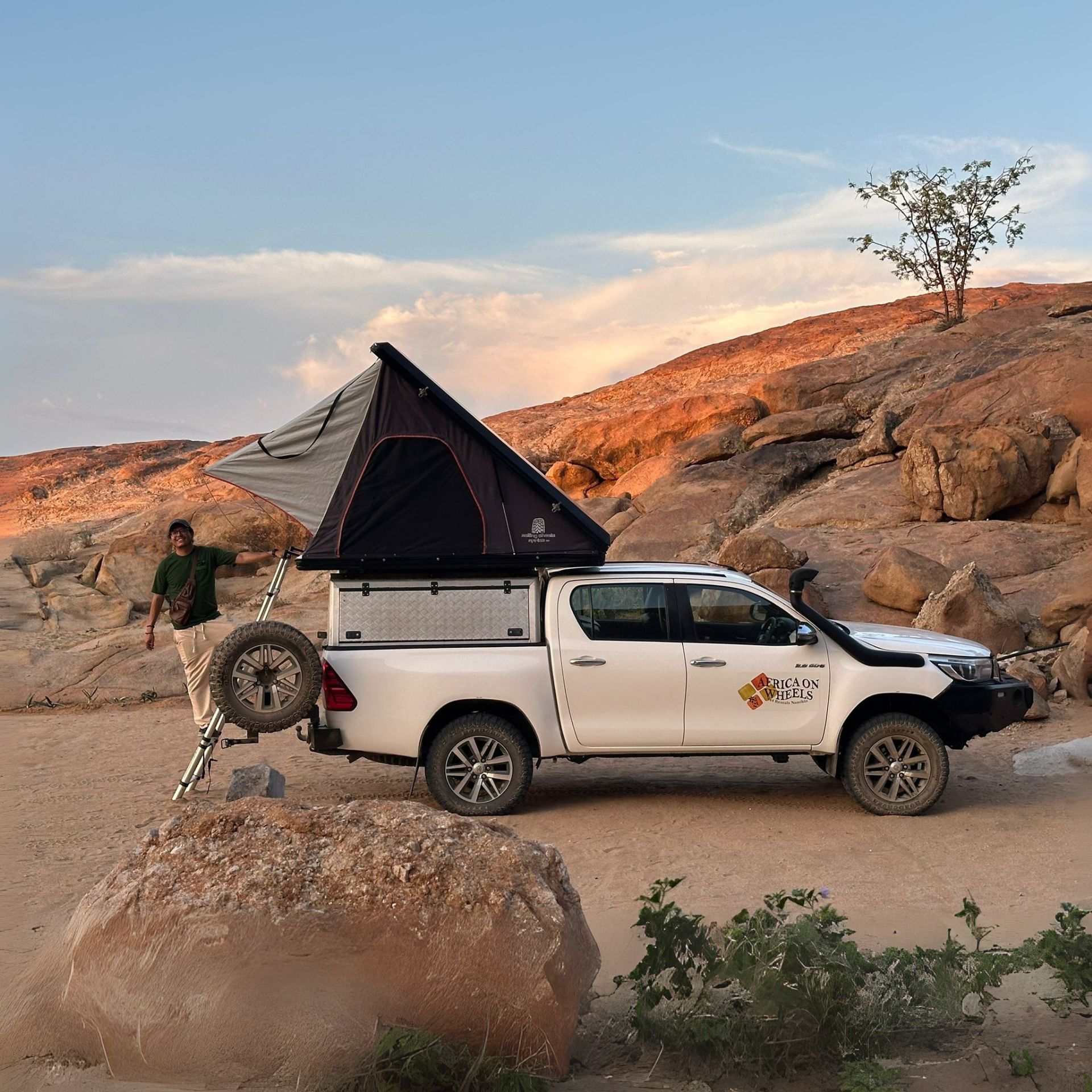
Driving distances are manageable. From Tunis to Tozeur takes about 6–7 hours (what I would recommend to do in 2 days). From Tozeur to Douz is roughly 2 hours. From Douz to the coast is a half-day drive. This short but compact itinerary can be a perfect road trip for 5 nights.
The roads are generally in good condition, and renting a car is straightforward and affordable. This makes Tunisia one of the easiest countries in Northern Africa for independent travel.
I would also never drive in Egypt. It is probably the most chaotic drive I can imagine, and at the same time, I can’t imagine the logistical nightmare of renting a car independently in Algeria.
I’m also going to be honest. I still can’t decide if Morocco or Tunisia is the best destination for a road trip, but when it comes to short trips with lots of diversity, Tunisia will take the spot this time.
A Gateway to the Sahara without Overcrowding
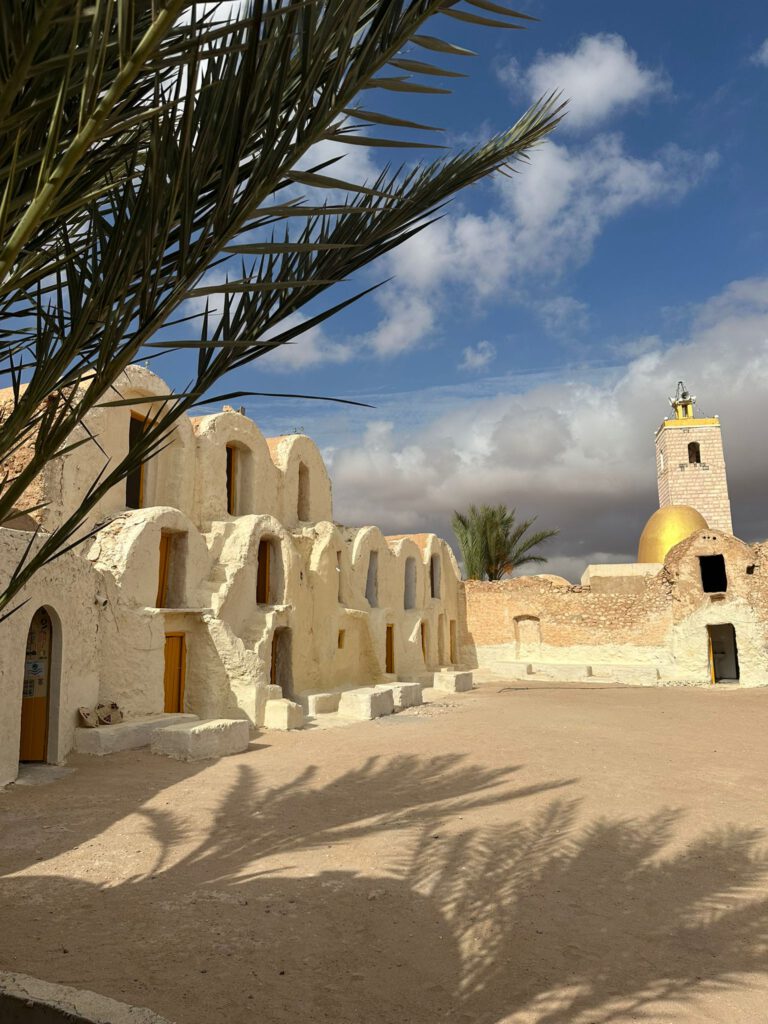
Tunisia is one of the most accessible entry points to the Sahara Desert.
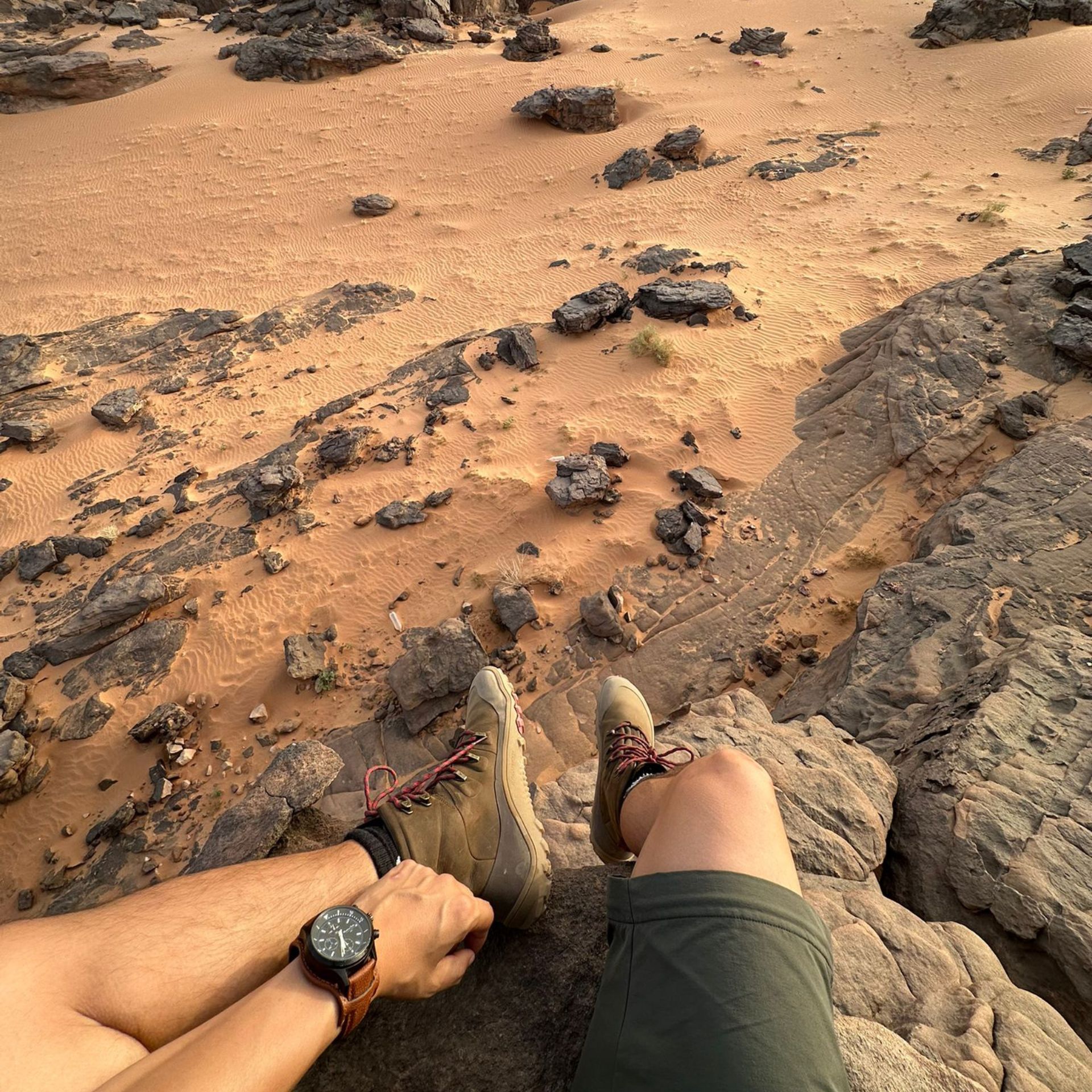
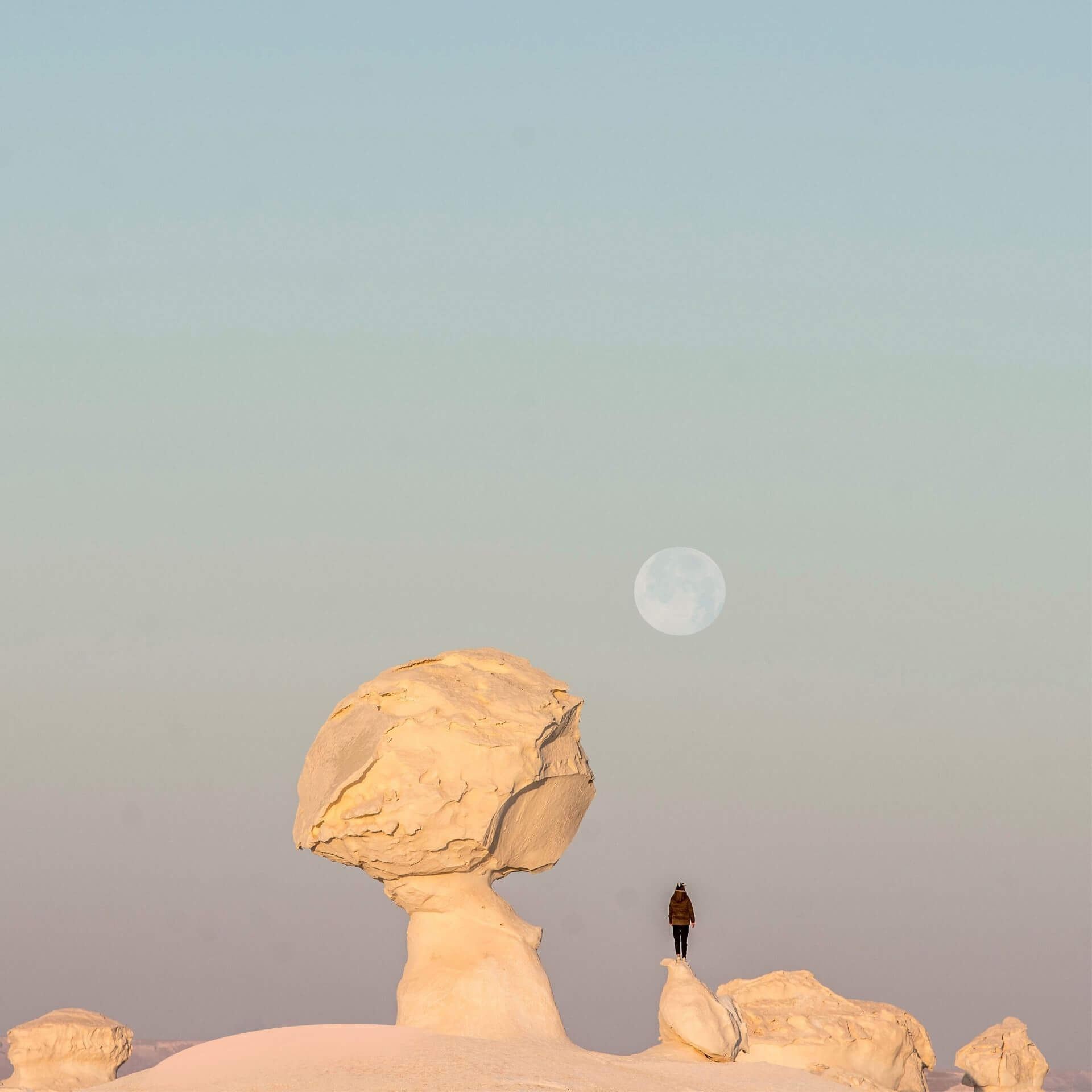
The town of Douz is often called the “Gateway to the Sahara,” and sits at the edge of the Grand Erg Oriental. Within minutes of leaving town, you enter rolling golden dunes that stretch into the horizon. They might not be the prettiest desert area I saw in northern Africa (that price goes to Algeria), but it was for sure one of the most complete.
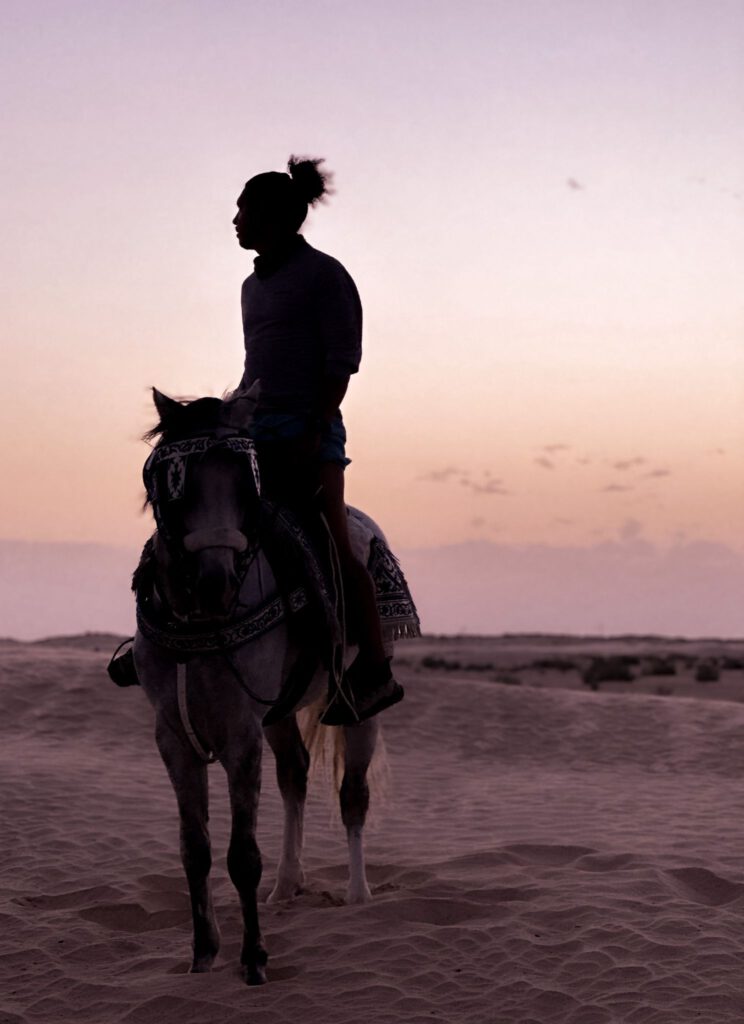
Douz also didn’t feel hectic. I was able to experience a horse ride along the desert, but without the same level of commercialization I would experience in the Moroccan Sahara or in Egypt.
Further north, Tozeur provides access to dunes, salt flats, and mountain oases. This variety of landscapes was one of my favorite part of Tunisia and no other neighboring country offers that without venturing very deep in the desert.
Tunisia offers the Sahara without the overwhelming tourism footprint.That’s rare.
Read more: Which desert landscapes should you visit in Tunisia
Beautiful Oases and Desert Treks You Won’t Find Everywhere
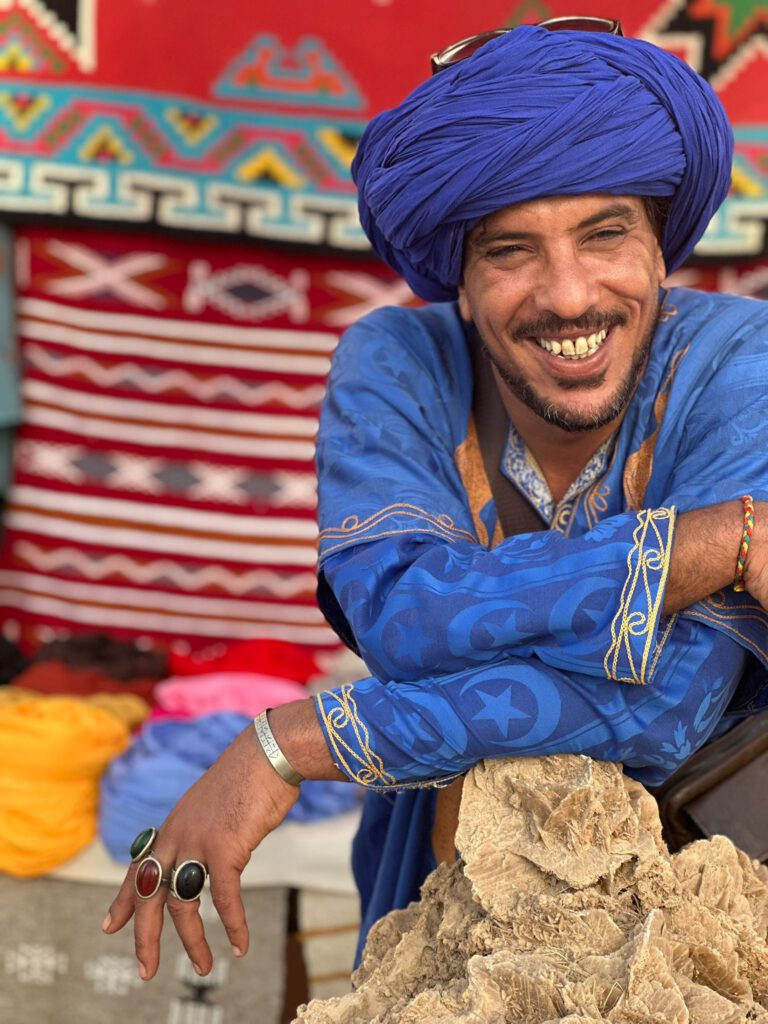
One of Tunisia’s most underrated features is its oasis landscapes.
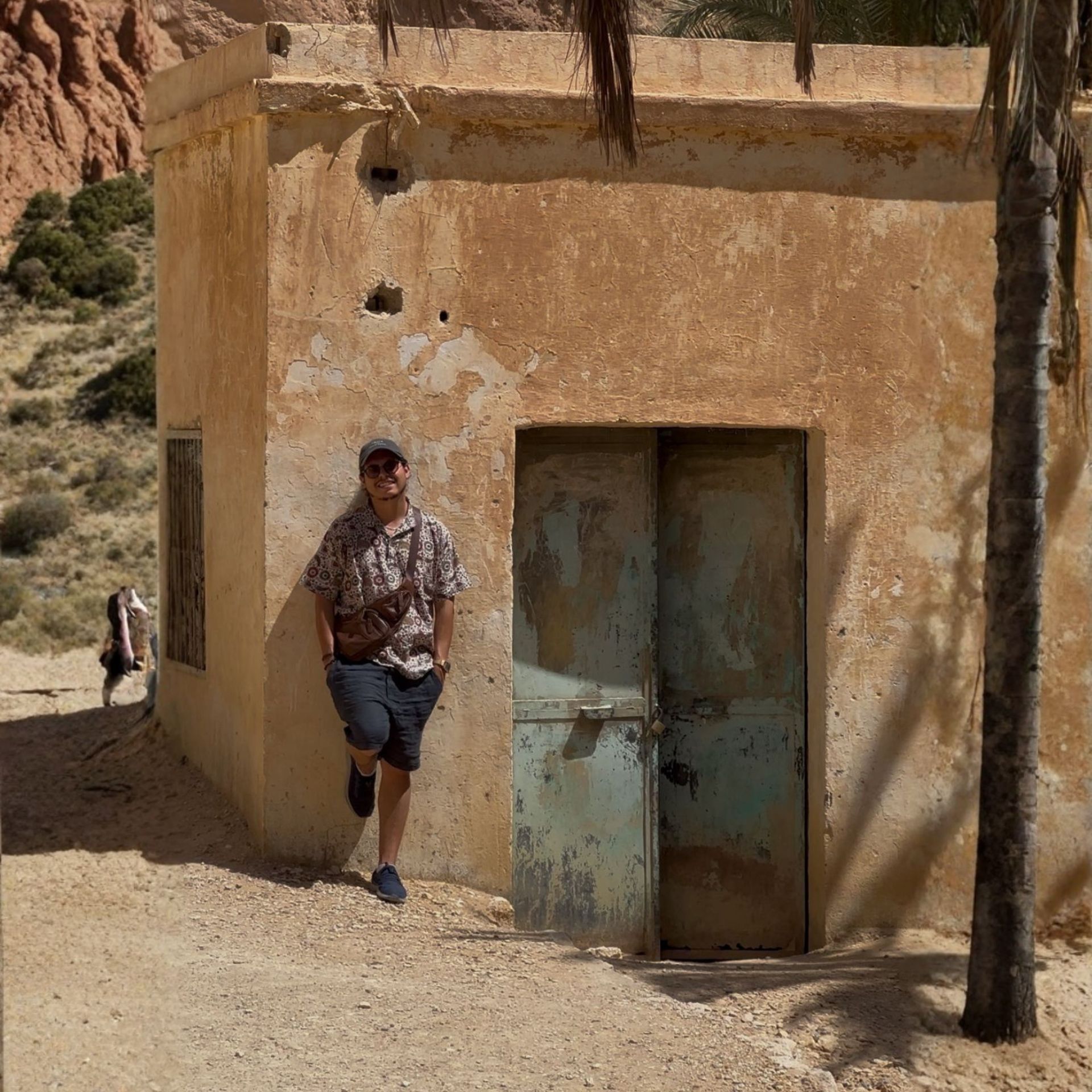
Near Tozeur and along the Tunisian-Algerian border, you’ll find mountain oases like Chebika, Tamerza, and Midès. These are not flat palm groves. They are canyon-like environments where waterfalls trickle through rocky gorges surrounded by desert terrain.
You can hike through narrow canyons, climb viewpoints above palm groves, and explore abandoned villages perched along cliffs.
This combination of desert and greenery feels almost surreal.
Unfortunately I didn’t have time for a hike, but I can easily imagine that this part of northern Africa has some of the best hikes in the region.

The Coastline That Feels Like the Mediterranean
Another reason Tunisia stands out is its coastline.
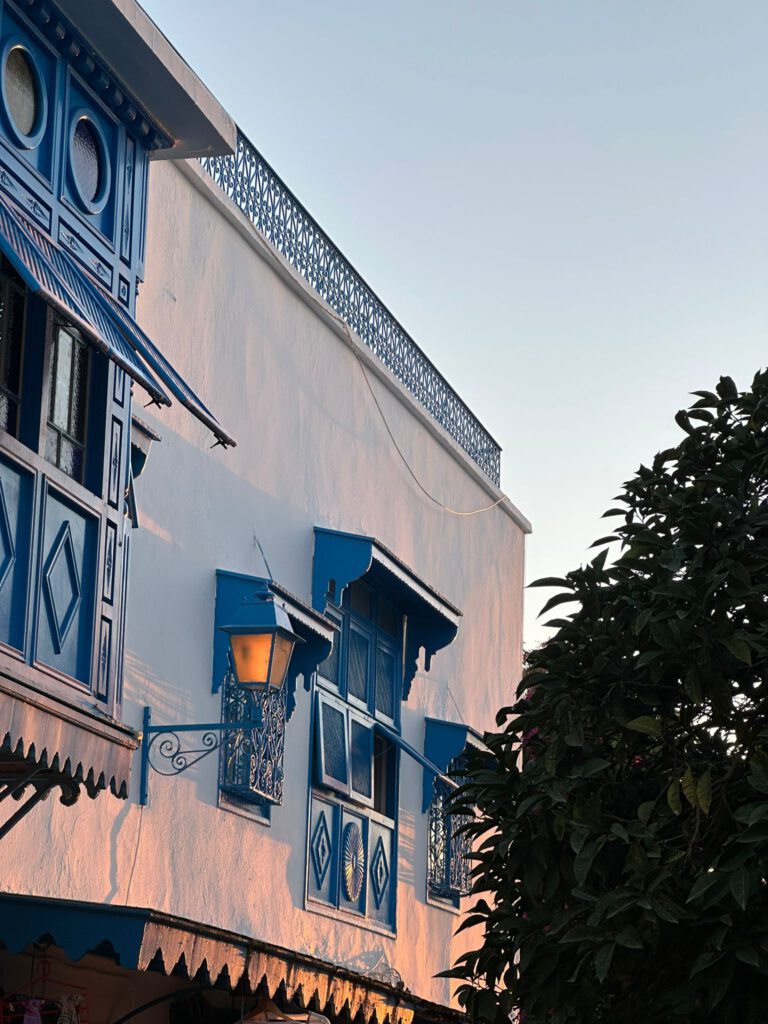
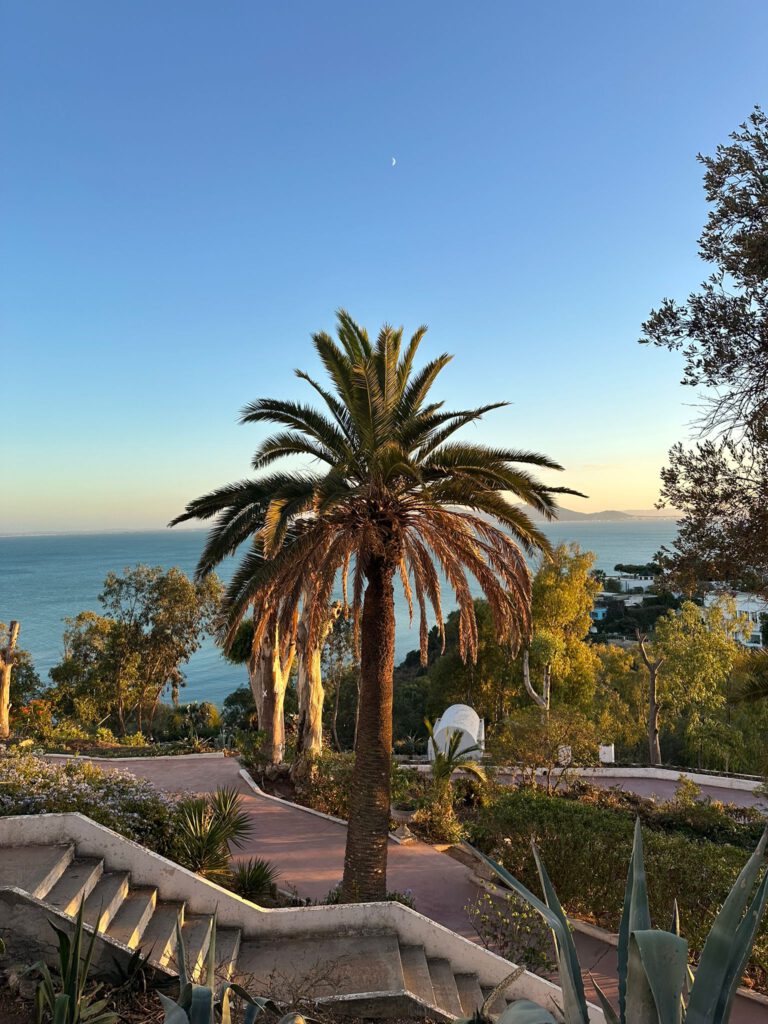
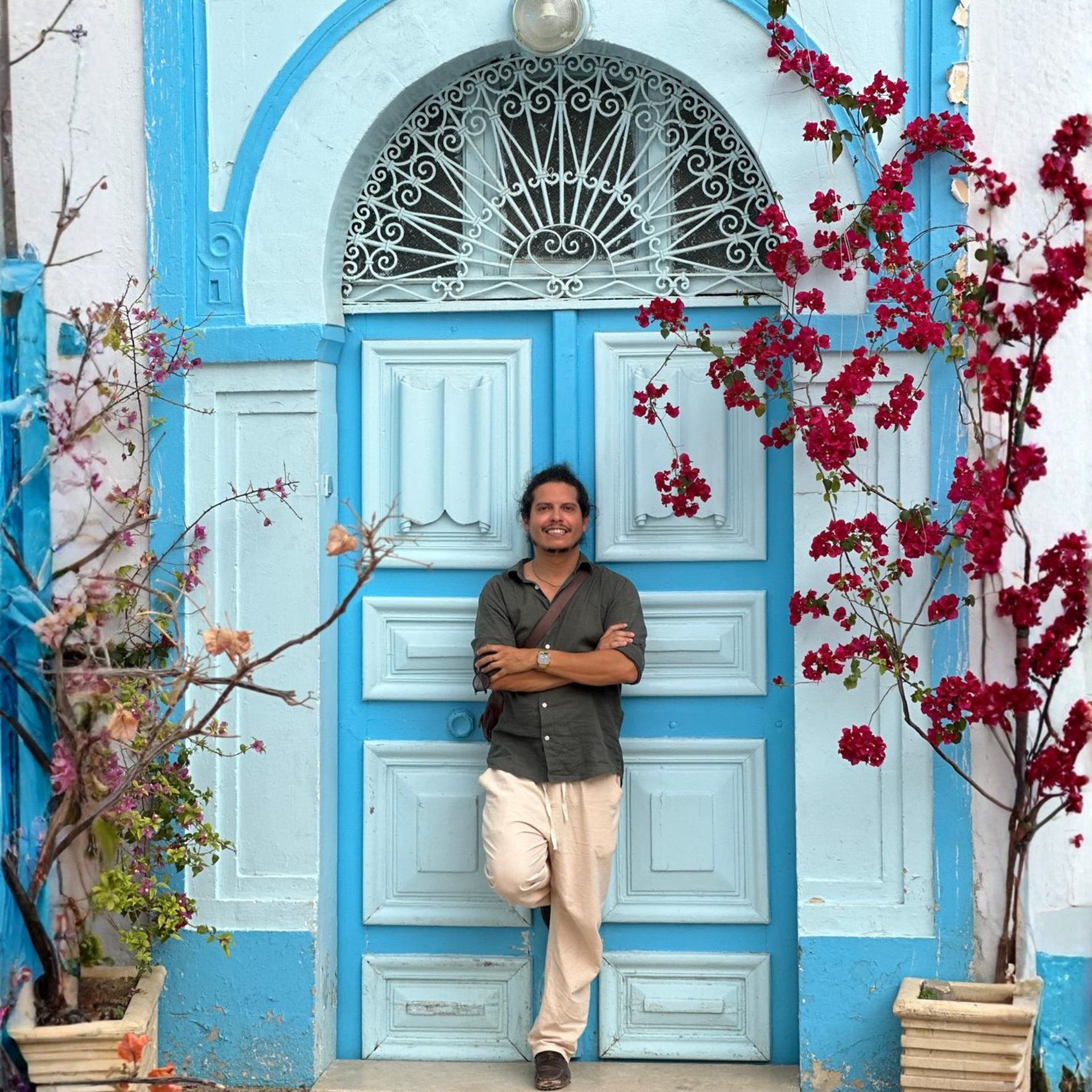
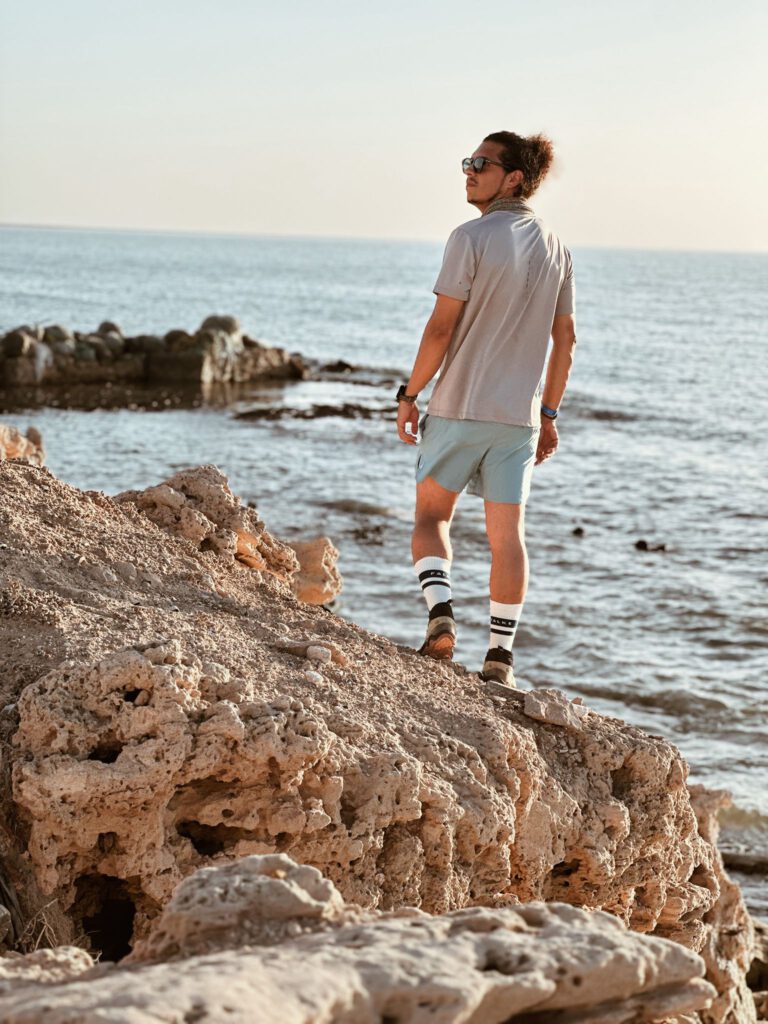
Northern and eastern Tunisia border the Mediterranean Sea, and in places like Sidi Bou Said, Hammamet, and Mahdia, the atmosphere feels unmistakably Mediterranean. I said it already once and I will repeat it over and over again. Sidi Bou Said is the prettiest town in northern Africa (sorry Chefchaouen), and it became now and obligatory stop each time I will travel to Tunisia.
But every town offers some magic. Whitewashed buildings, turquoise waters, seafood restaurants, and relaxed seaside promenades create a completely different mood from the Sahara.
In fact, this part of Tunisia feel closer to southern Italy or Greece than to the desert landscapes many associate with North Africa.
You can spend the morning swimming in the Mediterranean and, a few days later, watch the sun set over Sahara dunes.
No country in northern Africa offer that contrast so easily.
Cultural Depth Without the Crowds
Tunisia’s history runs deep.
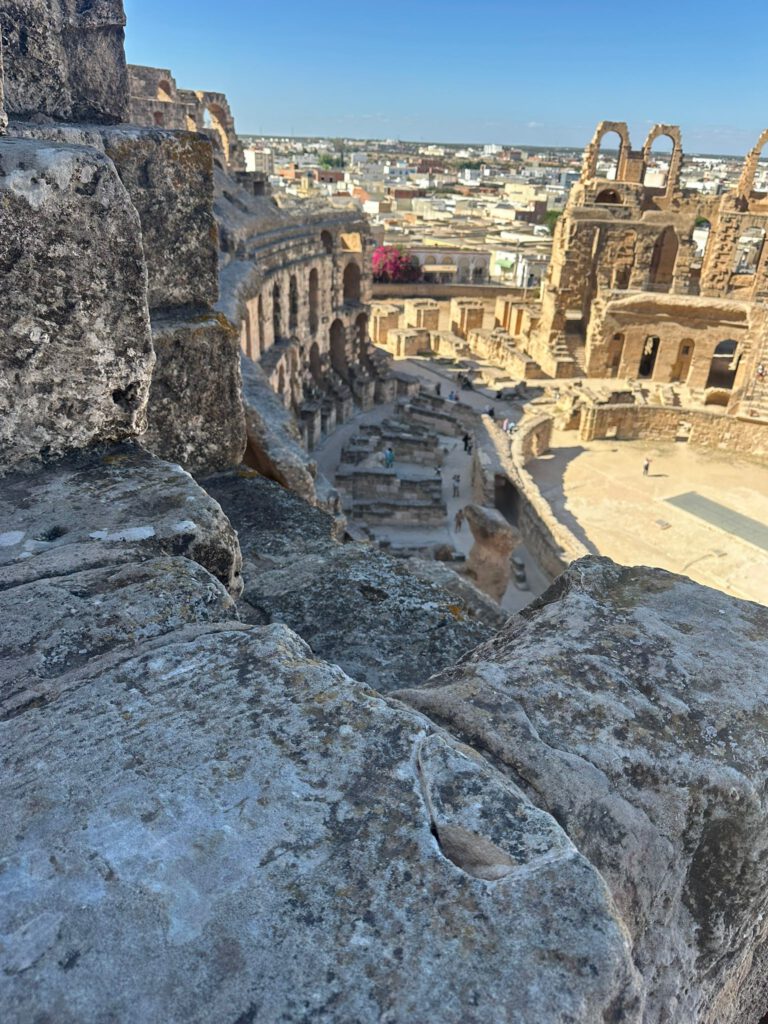
From the ancient city of Carthage to Roman amphitheaters like El Djem (one of the best-preserved Roman arenas outside Italy), Tunisia is packed with archaeological sites that rarely feel overcrowded.
You can explore massive Roman ruins without battling the kind of crowds you might encounter in Egypt or Rome.
This blend of North African, Berber, Arab, Mediterranean, and Roman influences creates a layered cultural identity that feels authentic rather than staged.
Markets are lively but less intense than Marrakech. Medinas are atmospheric without being overwhelming.
Affordable and Accessible
Tunisia remains one of the more affordable destinations in the region. Accommodation, food, car rentals, and guided excursions are typically cheaper than Morocco. Desert camps cost less. Road trips are more budget-friendly.
I know, there are no Ryanair flights connecting European cities to Tunisia for the price of a large pizza, but still, most flights to Tunis or Djerba are often reasonably priced. Traveling to Tunisia can be more affordable than traveling to Egypt and its just a matter of time until airlines start seeing that potential more and more.

Why Tunisia Stands Out
When comparing Tunisia to other destinations in Northern Africa:
- It’s easier than Algeria.
- Less commercial than Morocco.
- More diverse than Egypt’s Saharan region.
- More accessible than Libya.
It offers Sahara dunes, mountain oases, Roman ruins, Mediterranean beaches, and manageable road-trip logistics. All within one compact country.
It may not have the global spotlight of its neighbors, but that’s part of its charm.
Tunisia feels like a destination you discover rather than consume.
And in a region filled with dramatic landscapes and powerful history, that combination of accessibility, diversity, and authenticity is exactly what makes Tunisia the best destination in Northern Africa.