
Crisp air, empty trails, and forests on fire with color. This is Northern Michigan hiking at its finest.
Northern Michigan in autumn feels like a secret season. The crowds thin out, the air turns crisp, and the landscape shifts into a palette of deep greens, reds, burnt oranges, and golden yellows. For hikers, this is when the region is at its absolute best. Trails become quieter, views clearer, and every step feels intentional rather than rushed.
I traveled to Michigan with the team of Falke Sport and found out why this part of the United States is known as the most beautiful, but at the same time underrated.
Why Northern Michigan Is Perfect for Fall Hiking
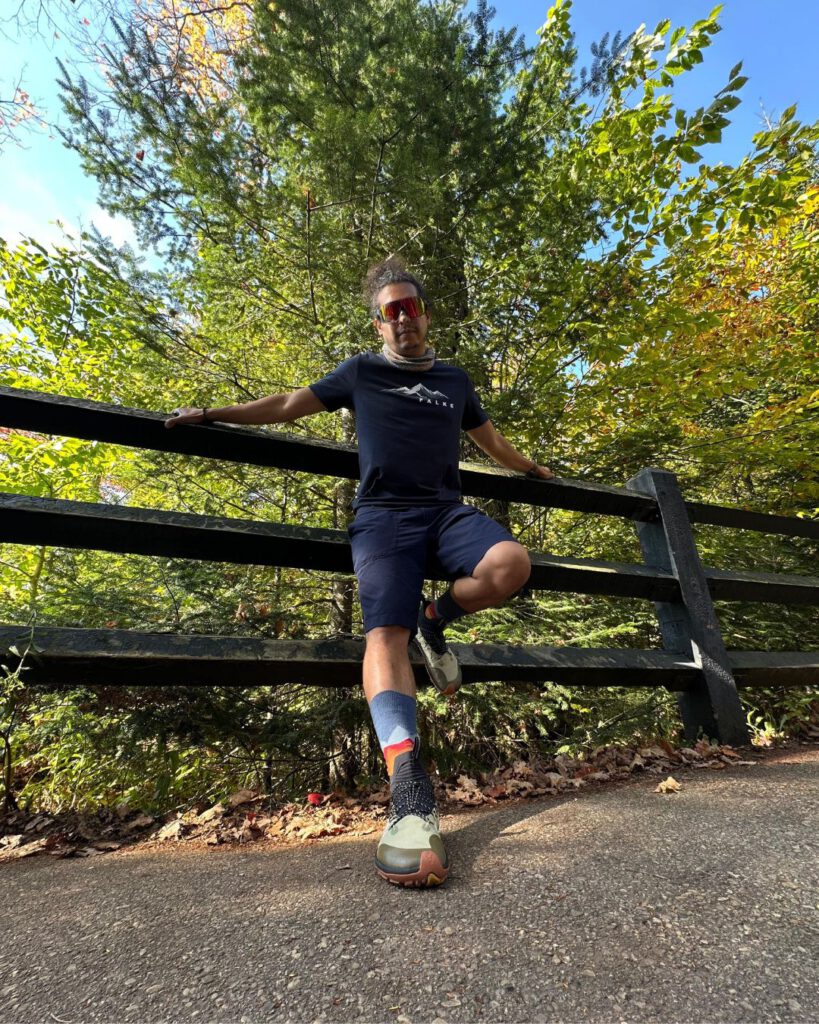
Autumn hiking in Northern Michigan offers something rare: dramatic scenery without dramatic crowds. Unlike more famous fall destinations, you won’t need permits, shuttles, or early-morning queues to access most trails. Forests are expansive, lakes feel endless, and many hikes reward you within minutes.
Peak foliage typically arrives earlier in the Upper Peninsula (late September to early October) and moves south toward the northern Lower Peninsula by mid-October. If you plan right, you can follow the colors across regions.
A simple tip before we start: don’t chase sunny weather only. The magic of a hiking trip in Michigan is that one day you might be hiking in shorts and tshirt and the next day with a rainjacket and gloves.
Now let me show you what were our favorite routes during this trip in Michigan:
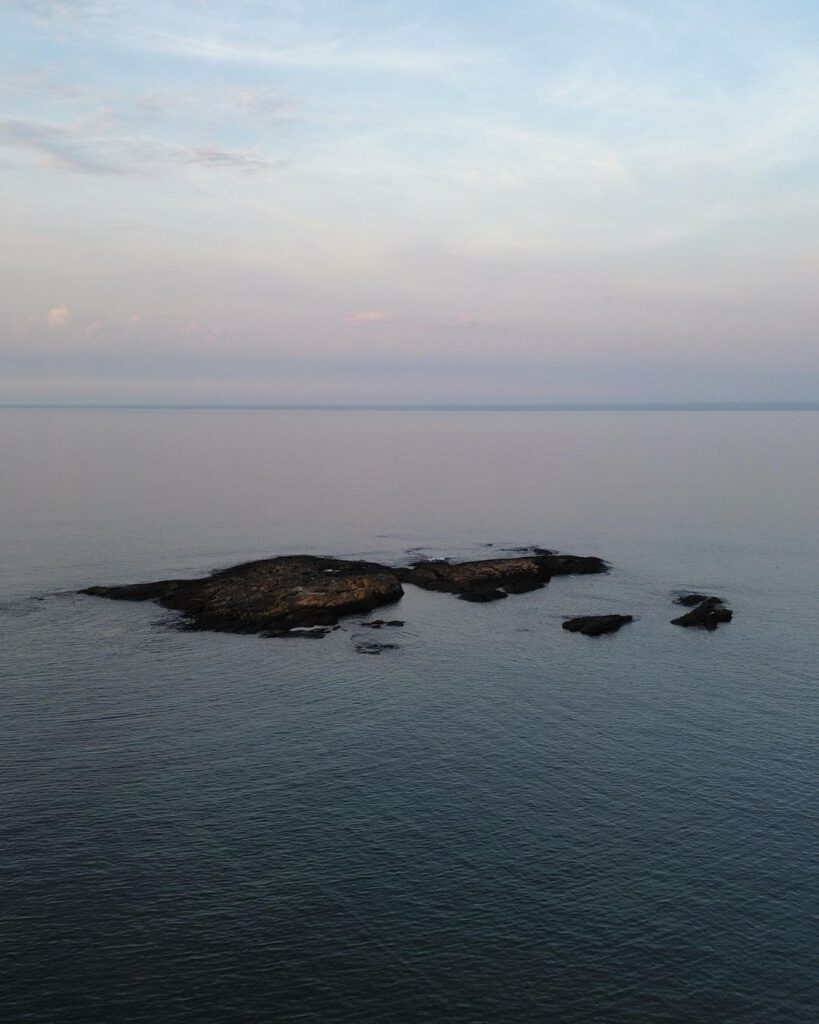
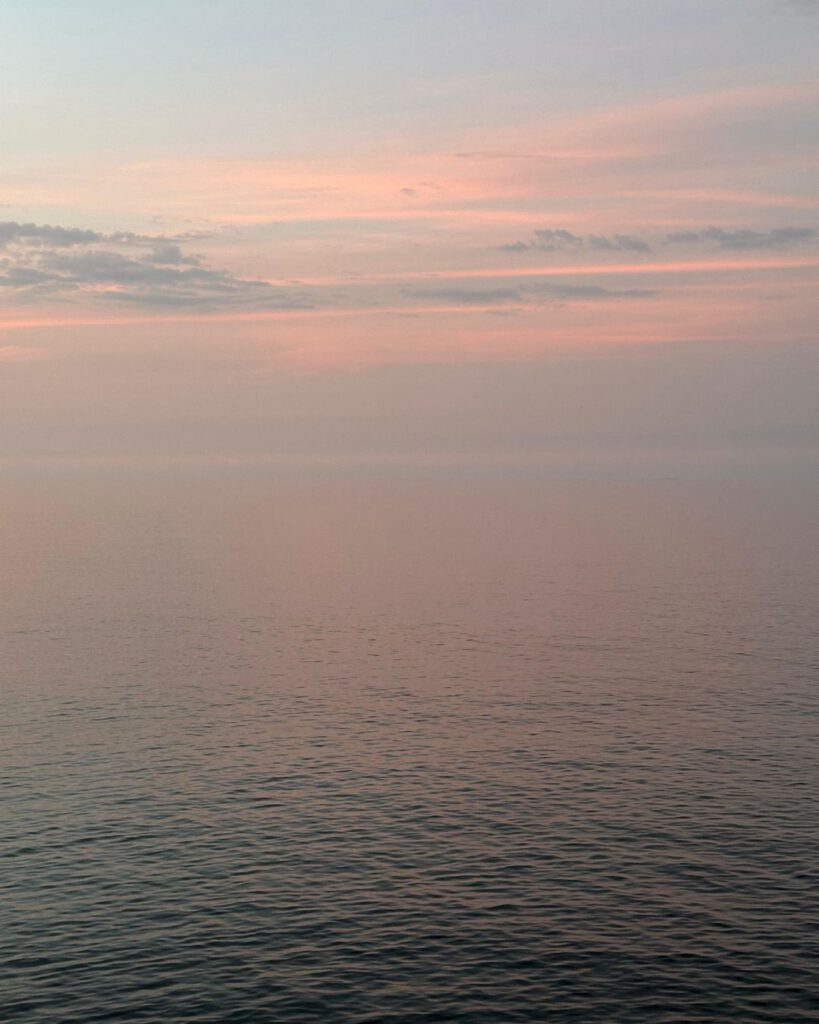
Sugarloaf Mountain – Marquette
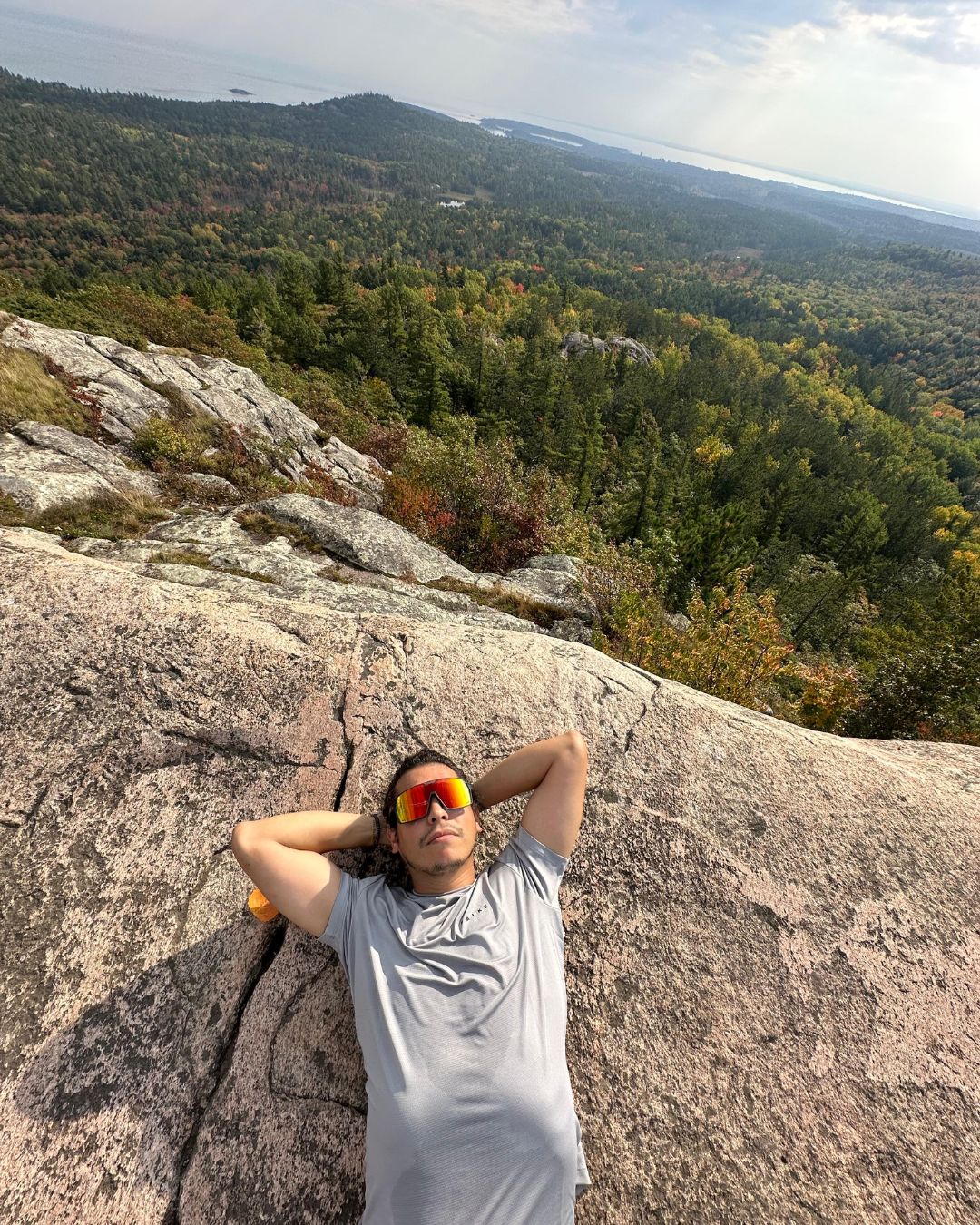
Sugarloaf Mountain is one of the most iconic hikes in the Upper Peninsula, and in autumn, it becomes something special. The trail is short but steep. It climbs through dense forest before opening onto panoramic views of Lake Superior, Marquette, and endless stretches of fall-colored woodland.
There are multiple viewpoints at the top, each offering a different angle. In fall, the contrast between the deep blue of Lake Superior and the warm forest tones below is striking.
We started this hike earlier and to be honest, if we crossed 3 people in the 4 hours we were on the mountain, we are talking about a crowd.
Best autumn tip: Go early in the morning when mist often hovers over the lake. Bring a light jacket. Winds can be strong at the summit.
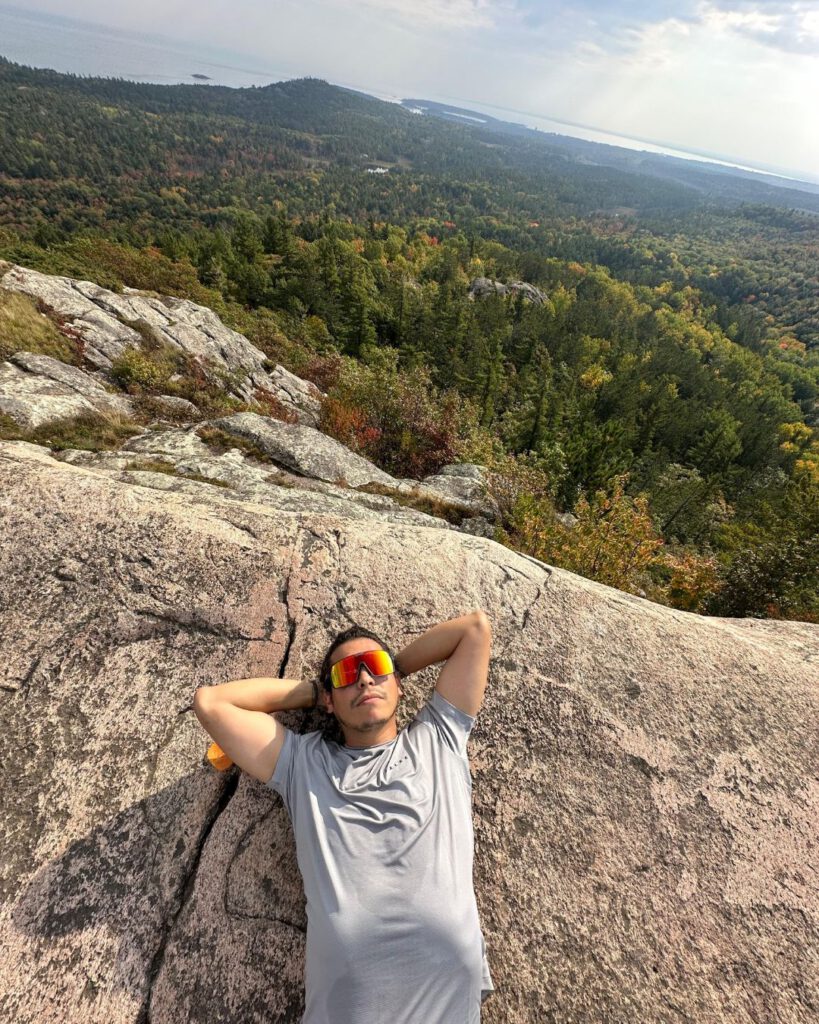
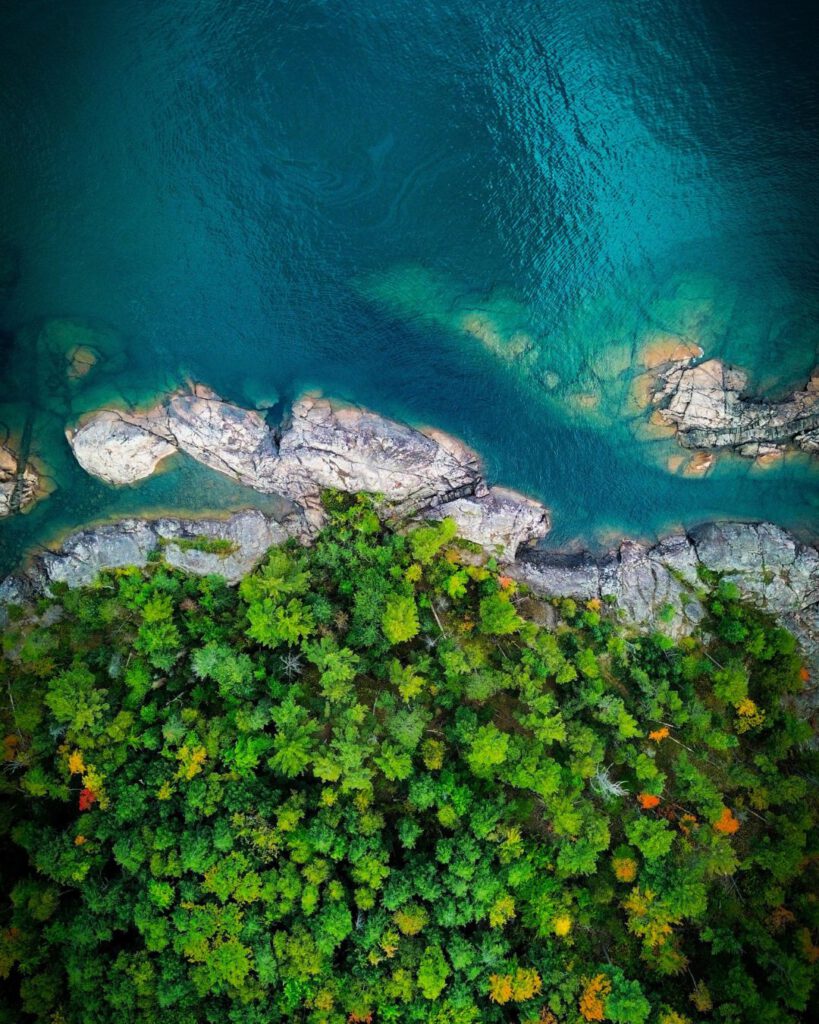
Pictured Rocks National Lakeshore
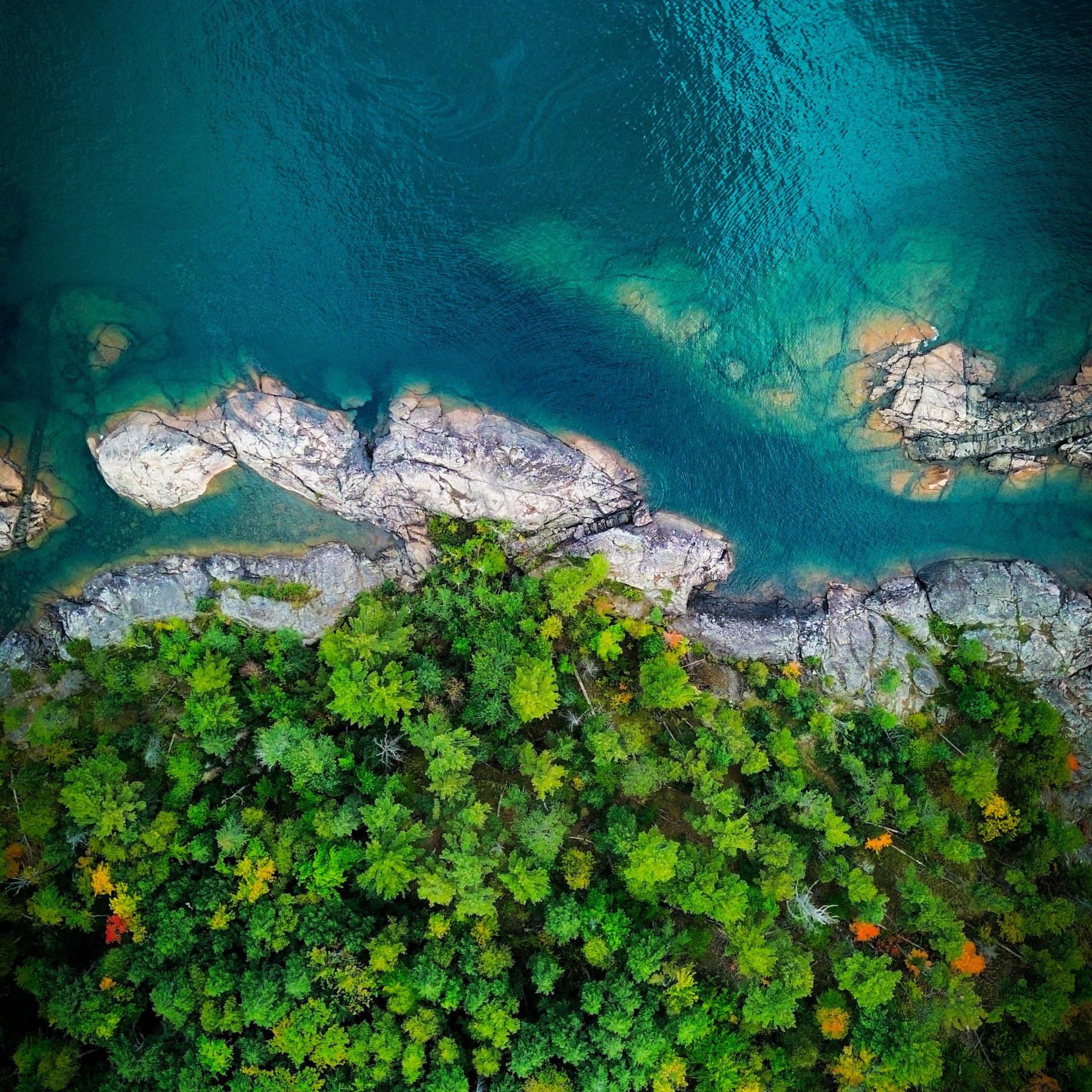
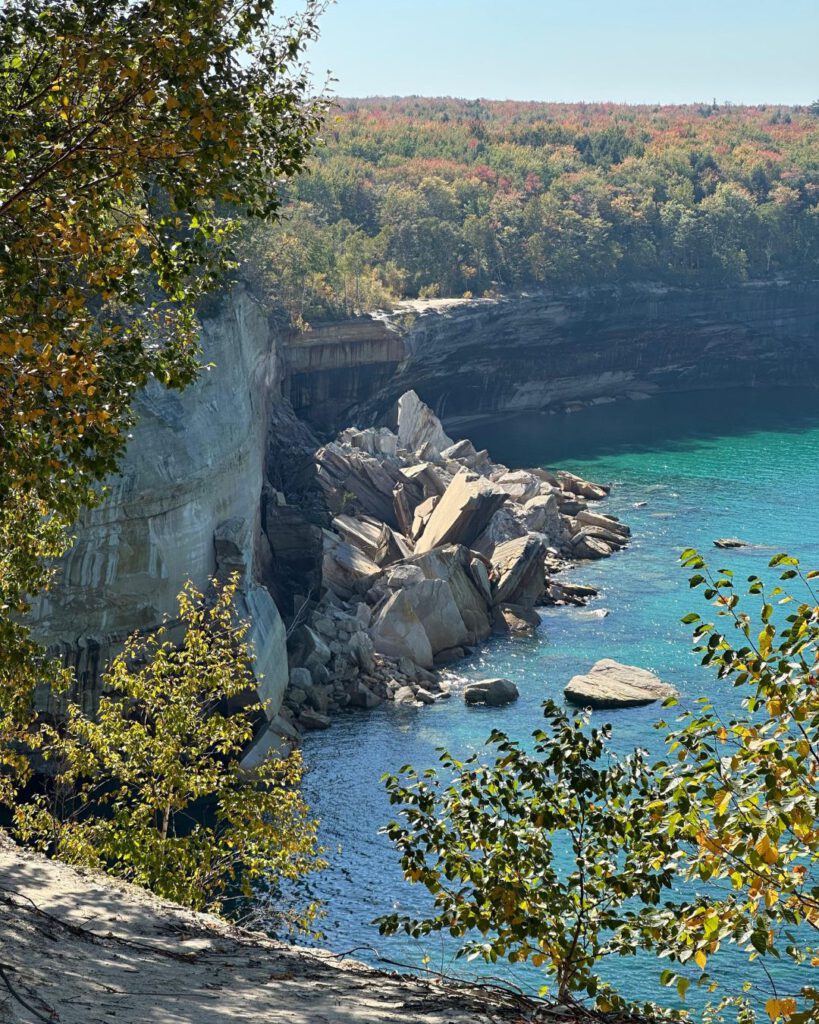
Pictured Rocks National Lakeshore is often associated with summer kayaking, but fall hiking here is quieter and arguably more beautiful. This was also my favorite hike during our full Michigan trip. There are also several hikes to do and in our case, the Chapel Loop was perfect. It combined forest walking, beach access, elevation, and cliff-top views over Lake Superior.
What makes Pictured Rocks especially powerful in autumn is the atmosphere. Cooler temperatures make longer hikes comfortable, and the absence of crowds allows the landscape to breathe. Wind rolling in from the lake adds movement to the trees, and changing weather creates dramatic skies that constantly reshape the scenery. For photographers and hikers alike, this is a place where patience pays off. Take time at overlooks, wait for clouds to shift, and don’t rush back to the car.

Tahquamenon Falls River Trail
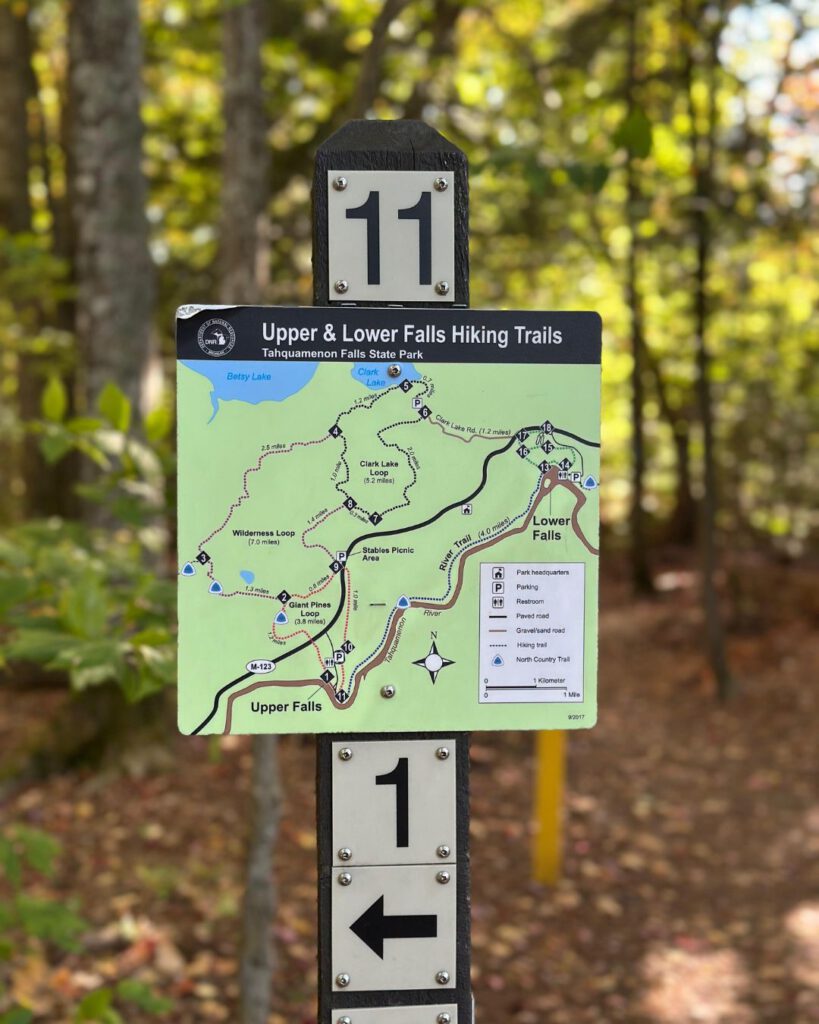
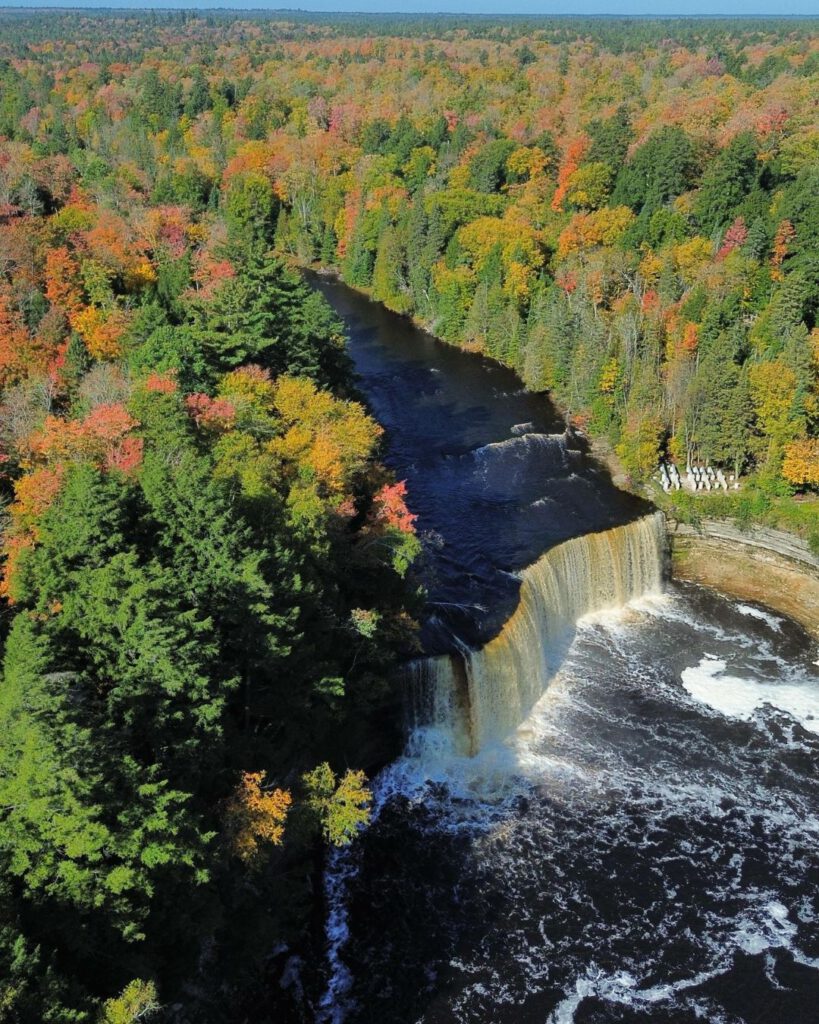
Tahquamenon Falls State Park is famous for its waterfalls, but the River Trail connecting the Upper and Lower Falls is where autumn shines. I also need to confess. This was the most crowded location we visited, and we rarely got a view of the waterfalls without any other travelers around.
But don’t worry. In fall, the trails around the falls become calmer and more suitable for someone looking to disconnect. Visitors often focus on the waterfalls themselves, but the quieter stretches between viewpoints are where the trail truly shines. Light filters softly through the canopy, and small clearings along the river invite you to stop, sit, and simply observe.
Sleeping Bear Dunes
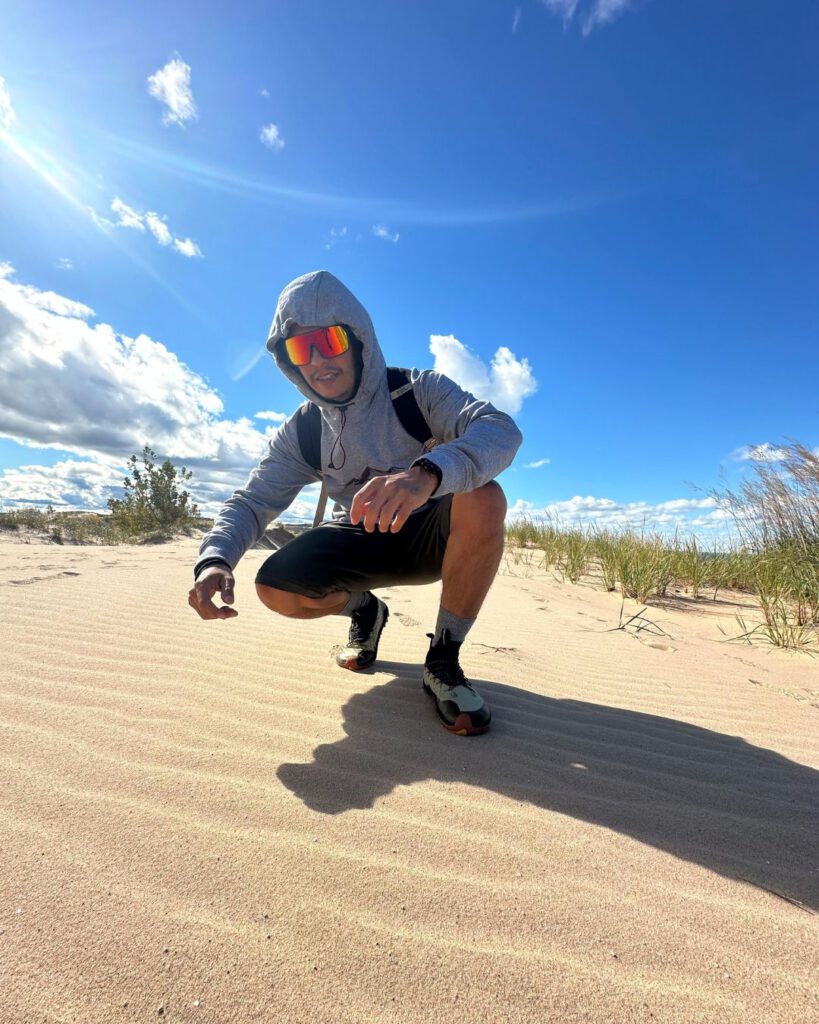
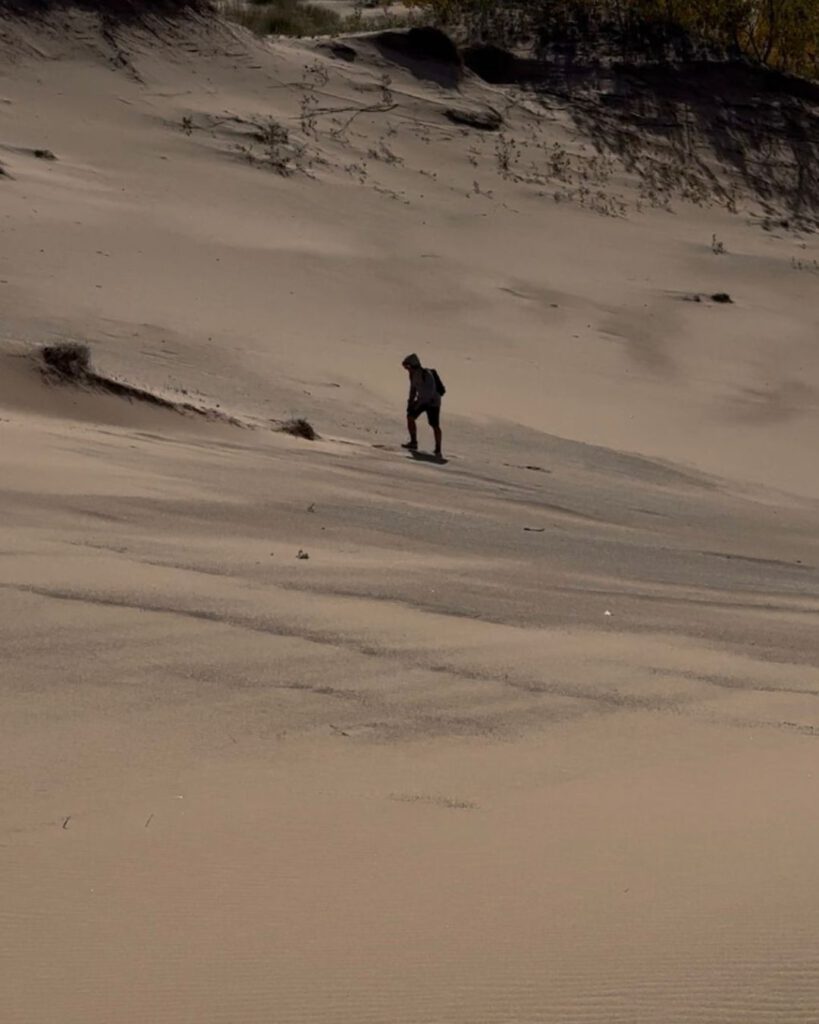
On the Lower Peninsula side, Sleeping Bear Dunes National Lakeshore delivers one of the most visually unique hiking experiences in the Midwest. For some of us, this was their highlight and I can totally understand why. While the Dune Climb itself is famous and there were lots of people around, the surrounding trails offer quieter, equally rewarding views.
Autumn brought also a unique balance to the Sleeping Bear Dunes. The sand was cold and made the hike more comfortable. At the same time, the surrounding forests explode with color. Trails like Empire Bluff or sections near Pierce Stocking Scenic Drive offer high-impact views without long distances. These are perfect for slow exploration.
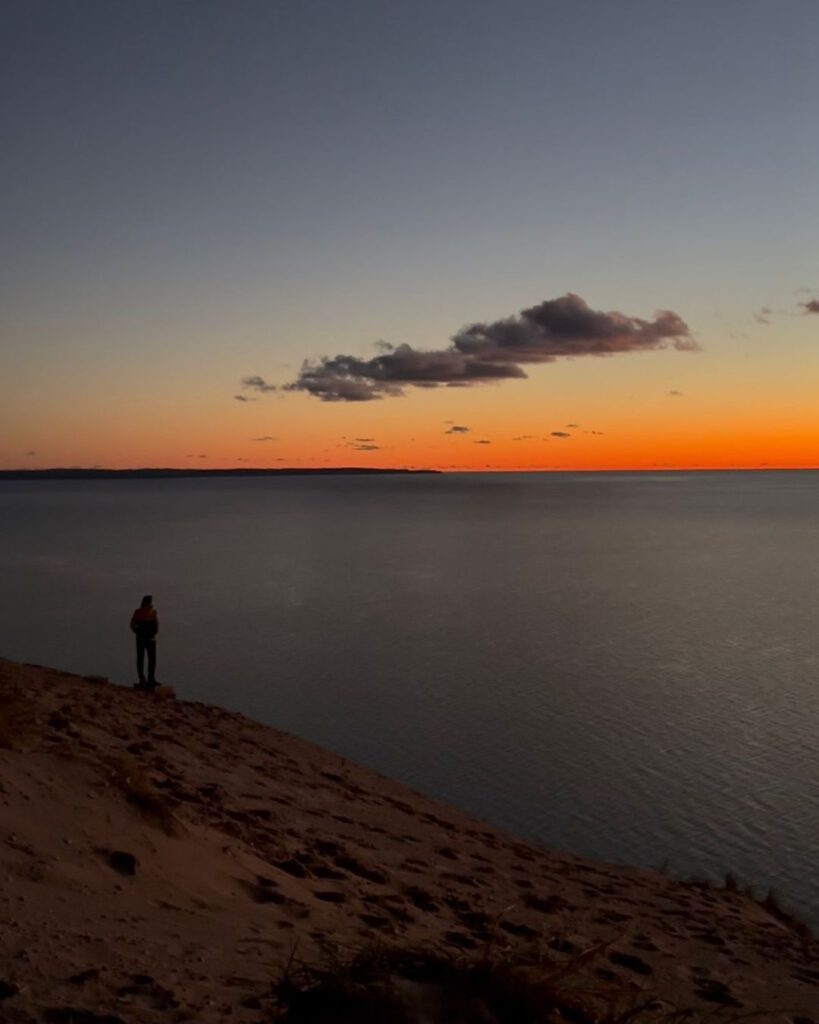
But keep in mind. The best moments often come in late afternoon, when low-angle light stretches shadows across the dunes and the lake turns a deeper shade of blue. Stay past sunset if you can. Once the crowds leave, the silence settles in, and the landscape feels vast, open, and deeply peaceful.
Best autumn tip: Don’t stop at the first overlook. Continue until crowds thin. Often just a few extra minutes makes a big difference.
How to Plan a Fall Hiking Route in Northern Michigan
The best way to experience these hikes is by grouping them geographically and pacing your days. Our autumn route started in Marquette, loop through Pictured Rocks and Tahquamenon Falls, then move south toward Sleeping Bear Dunes. This route was perfect for us. It allowed us to follow peak color timing naturally.
My best tip:Plan fewer hikes per day than you think you need. Autumn rewards patience. Light changes quickly, and some of the best moments happen when you’re not rushing to the next trailhead.
Read more: Why Michigan Is One of the Most Underrated Travel Destinations in the USA
Unlike many other places where hiking is big, Michigan doesn’t demand attention. It earns it slowly. In autumn, its hiking trails become immersive experiences rather than simple walks.
If you’re looking for fall hikes that feel cinematic without feeling crowded, Northern Michigan delivers quietly and consistently. The best advice is simple: go slower than planned, stay longer than expected, and let the season do the rest.