
In Illinois, the original Route 66 still feels alive. From the Old Chain of Rocks Bridge on the Mississippi to the Route 66 Begin sign in Chicago, here are the stops worth planning your trip around.
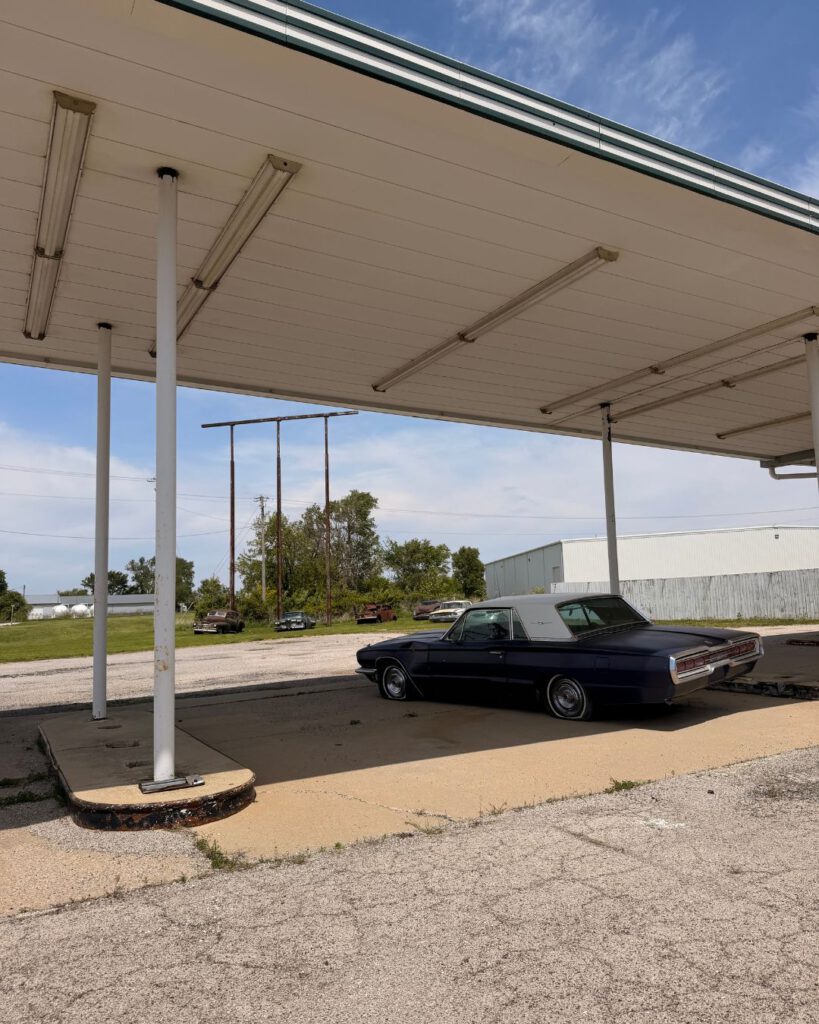
There is a reason Route 66 became the most famous road in the world, and Illinois is a big part of it. The northern end of the Mother Road runs from the Mississippi River all the way to downtown Chicago, and unlike most stretches of the old highway, a lot of what made it iconic is still standing. Old diners still serve pie. Neon signs still light up at night. Giant fiberglass statues still watch over gas stations that have not sold gas in fifty years.
I drove this stretch a few months ago, from Alton back to Chicago, and took the slow version of it. I avoided the interstate whenever there was an old alignment to follow, and stopped every time something caught my eye. That is how you are supposed to do Route 66. If you are in a hurry, take I-55. If you actually want to see the road, the old road and no Google Maps is for you.
Alton, the Southern Gateway
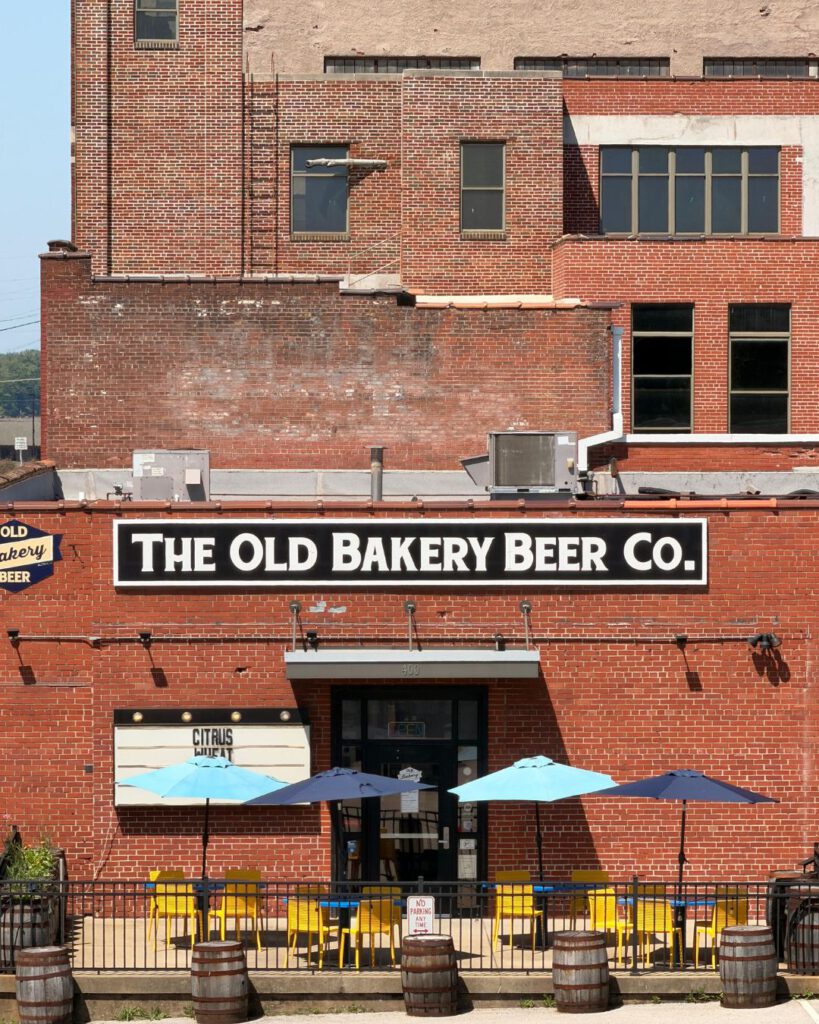
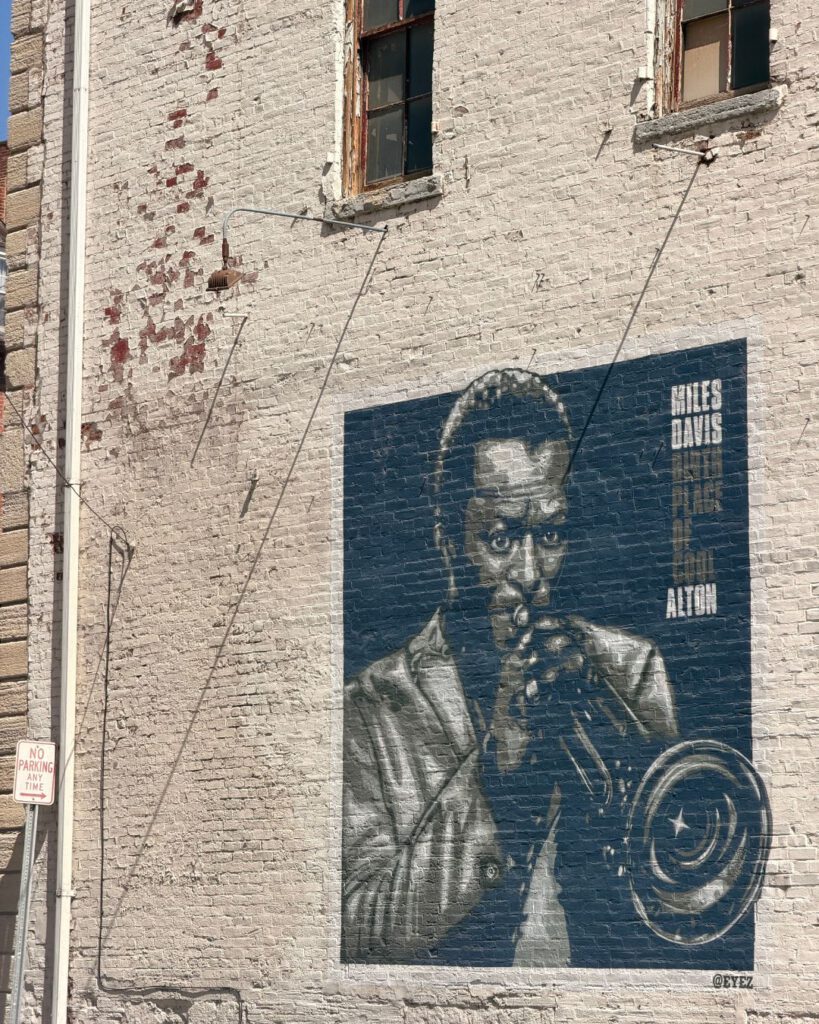
Officially, the Illinois Route 66 ends (or begins) at the Chain of Rocks Bridge just north of St. Louis, but the first town that feels like a real Route 66 town is Alton. This city is where the Great River Road and Route 66 meet, where Miles Davis was born, and where I spent two days trying to figure out why the place felt so familiar.
It took me a while to realize it reminded me of certain districts in Berlin. Old brick buildings repurposed by artists, a slightly rough edge, murals, and a creative crowd that seems to have quietly decided this is home.
Insider tip: Alton is also one of the most haunted towns in America, or at least it markets itself that way. Therefore, the town changes character after dark, and a ghost tour is definitely worth a visit.
The Old Chain of Rocks Bridge
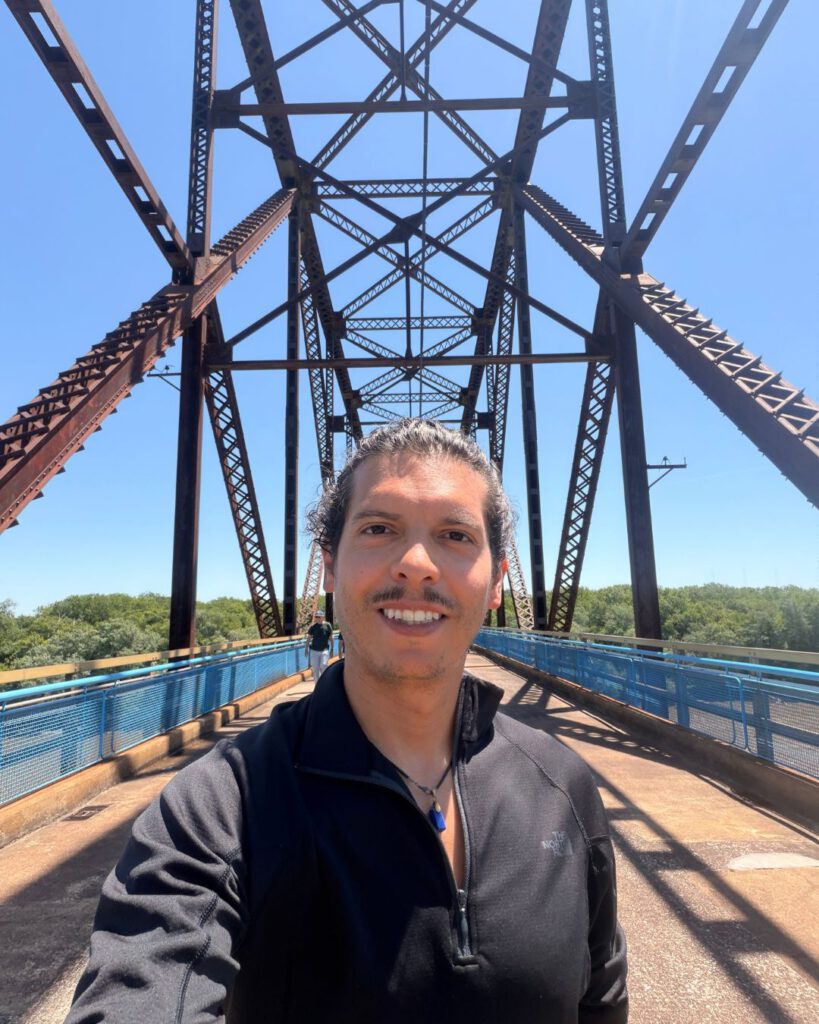
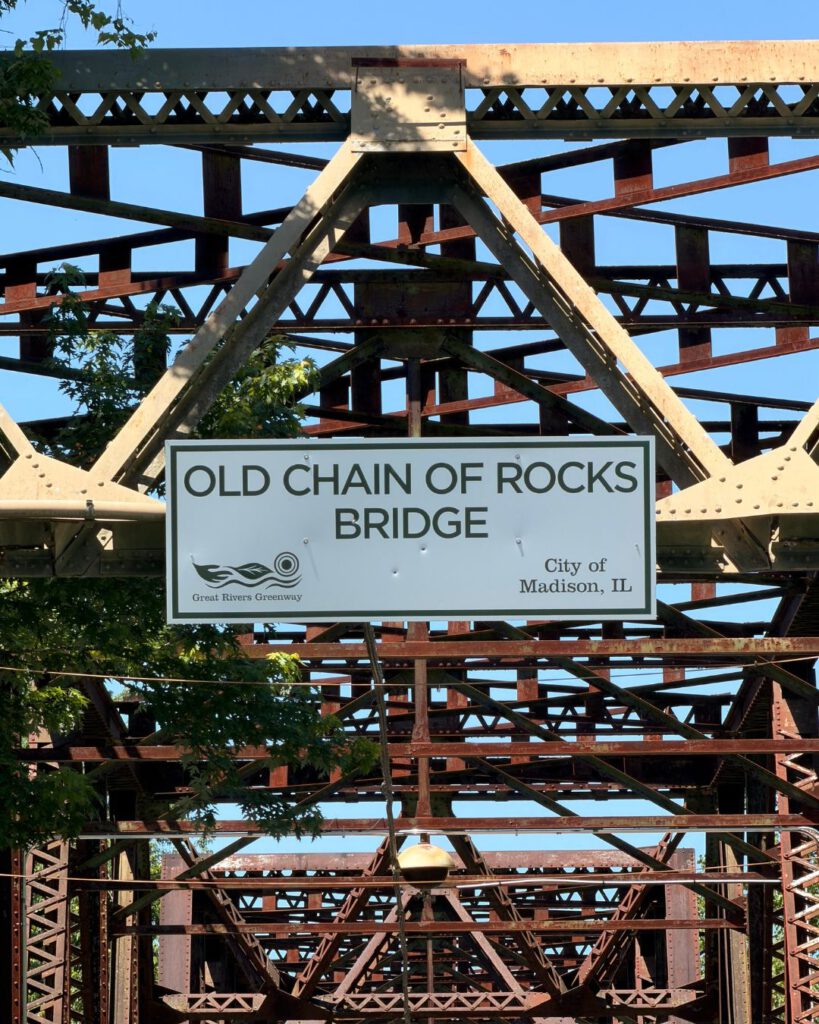
If Route 66 has a single most photographed spot, this is it. The Old Chain of Rocks Bridge crosses the Mississippi just north of St. Louis and is famous for one very specific reason: it has a 22 degree bend in the middle of it. Nobody builds a bridge with a bend in the middle unless they have to, and the story of why they had to is worth reading before you visit.
The bridge is now closed to car traffic and open only to pedestrians and cyclists, which is actually the best way to experience it. Walking across gives you time to notice the river, the old steel structure, and the skyline of St. Louis in the distance. It is a short walk of about thirty minutes, and it is one of the few places on Route 66 where you can stand exactly where the road used to be, without a car in sight.
Livingston and the Pink Elephant Antique Mall
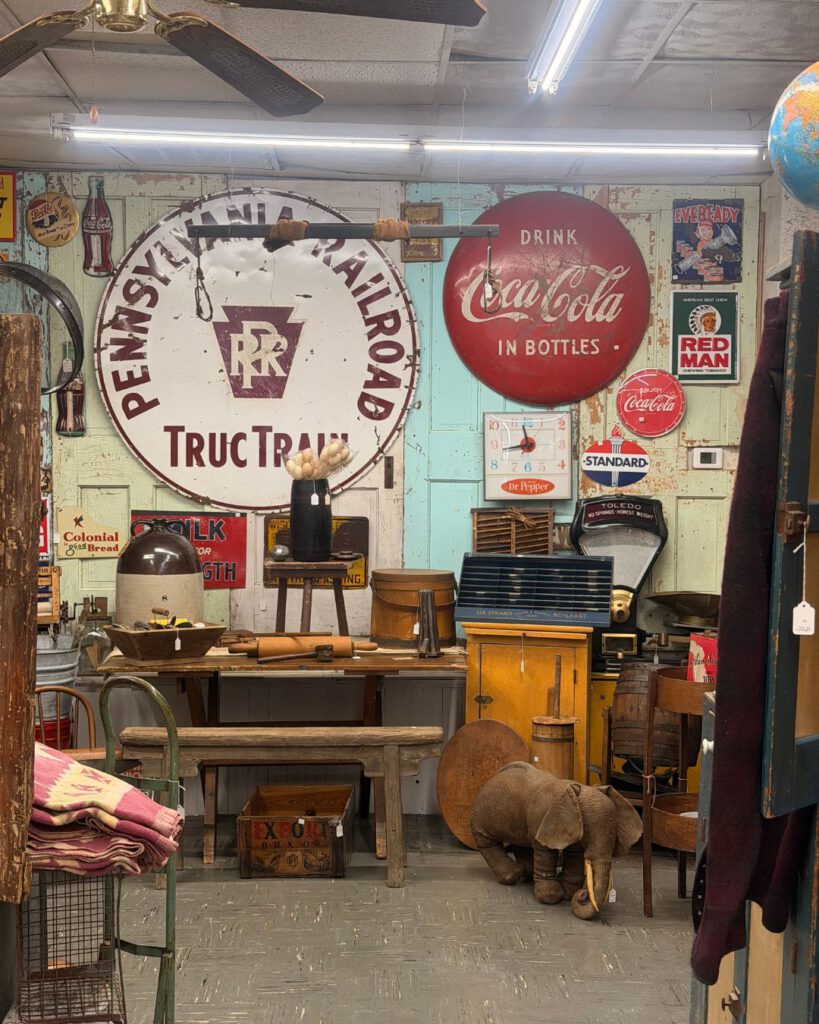
About forty minutes north of the bridge, Livingston is barely a town, but it is the kind of place Route 66 was built for. The Pink Elephant Antique Mall is exactly what it sounds like: a giant pink fiberglass elephant out front, an old school building turned into a maze of antique booths, and a soft serve ice cream stand that has no business being as good as it is.
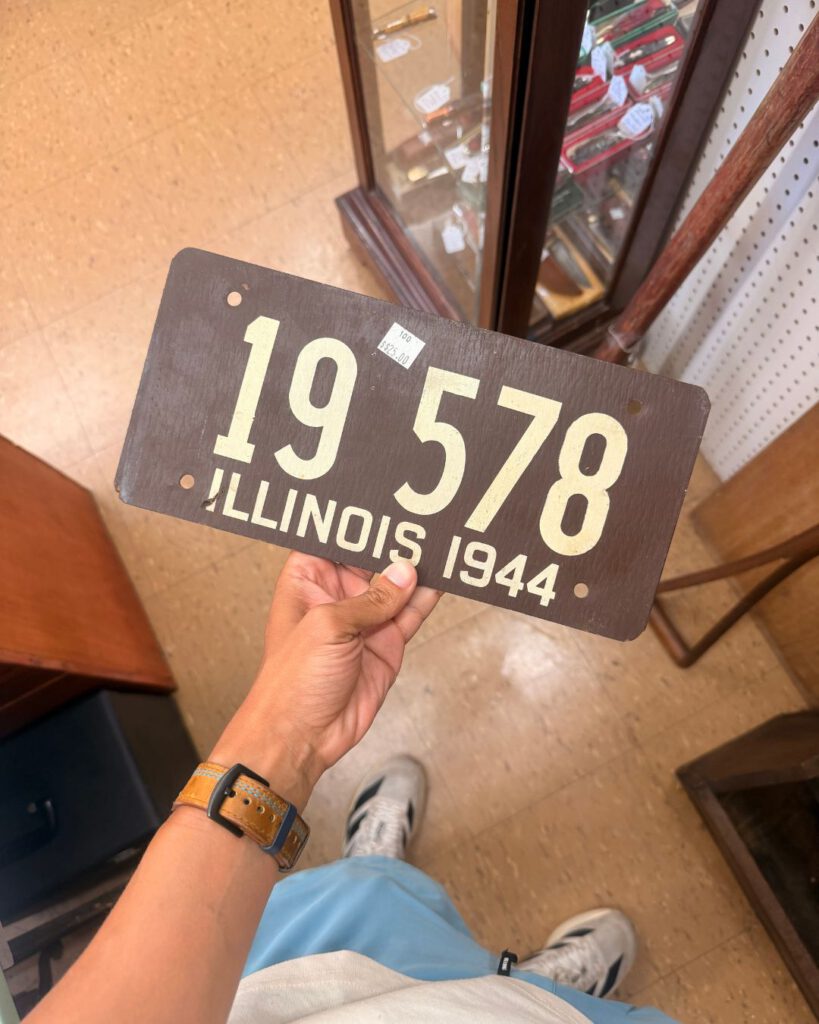
Old car plates, retro signs, and anything unnecessary you can imagine are some of the things you can find here. And yes, some of the shops might offer keychains and T-shirts made in China, but if you take your time and explore without any rush, you might find one thing or two that is worth your time.
Did you know? I collect original car plates, and in Illinois I found a rare wooden plate from 1945. These plates were issued during the WWII period, and they are extremely rare. This is definitely one of the best souvenirs I have ever gotten, and it would not have happened if I had not taken my time exploring markets.
The Forgotten Towns of Nilwood, Girard, Virden, Thayer, and Auburn
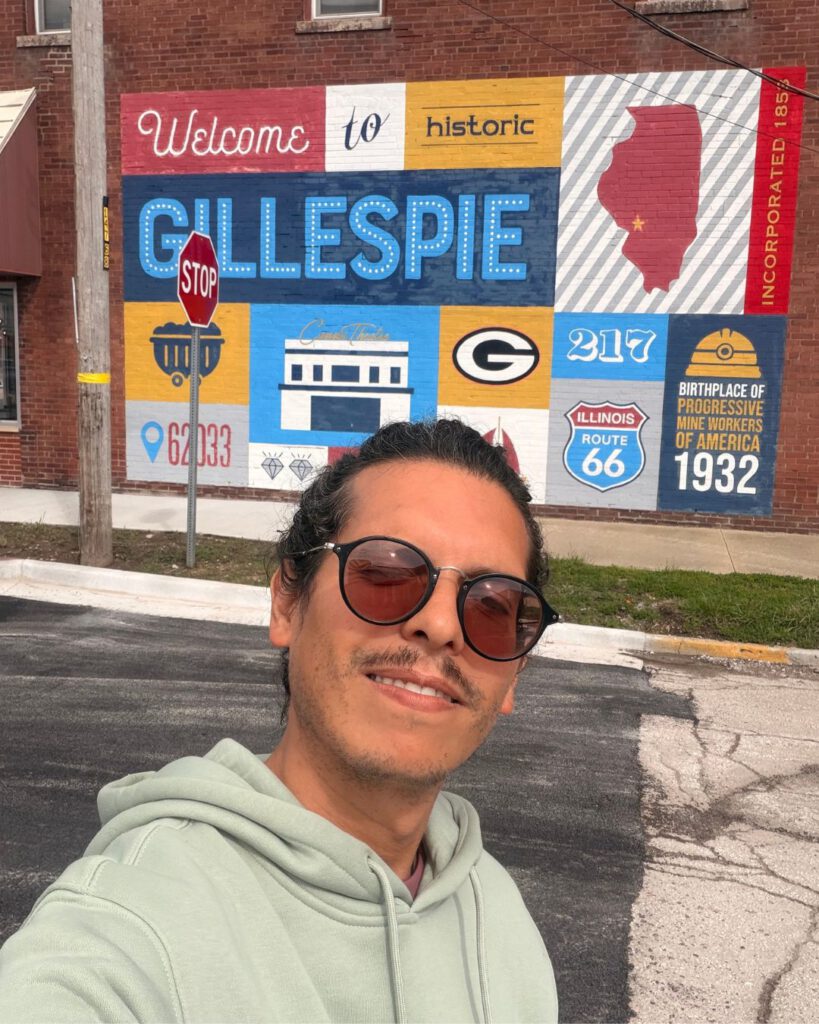
They are part of the Historic Route 66, and you need to drive through them if you want to take the original road trip from St. Louis to Chicago. They might not have something memorable that qualifies them as an obligatory stop, but I really enjoyed passing through each of them. They all have the same cozy and charming vibe you would expect from the Midwest, and for someone who comes from Europe, this is the America you see in movies.
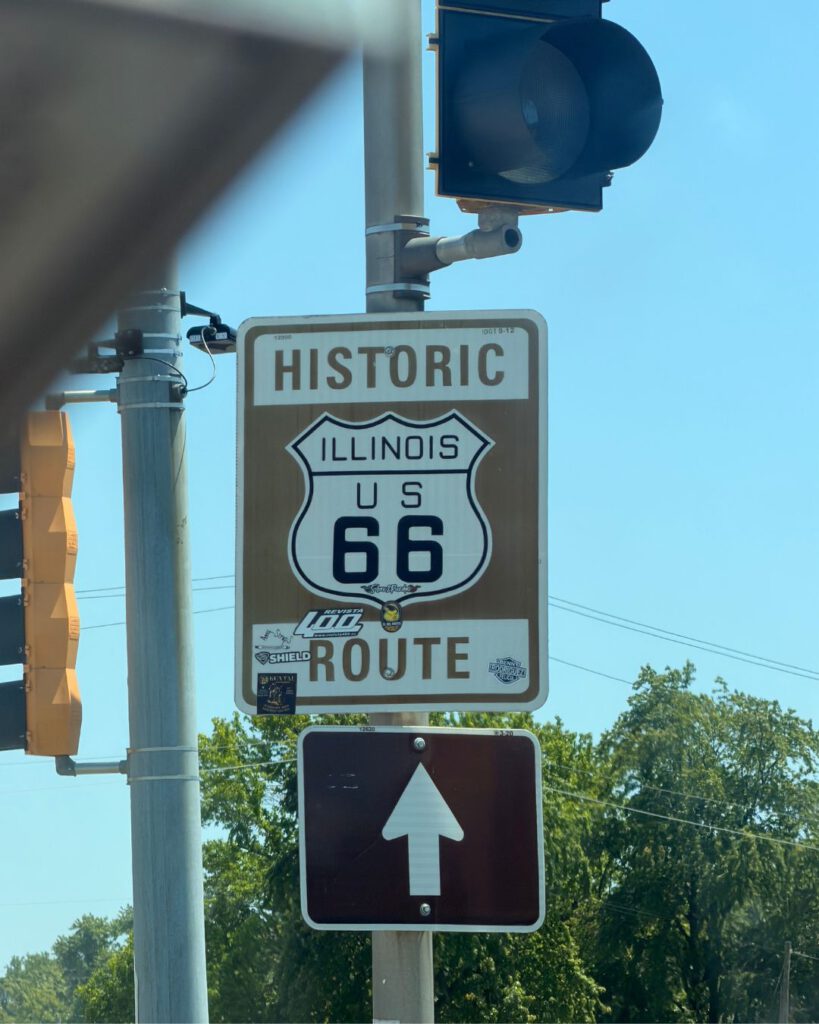
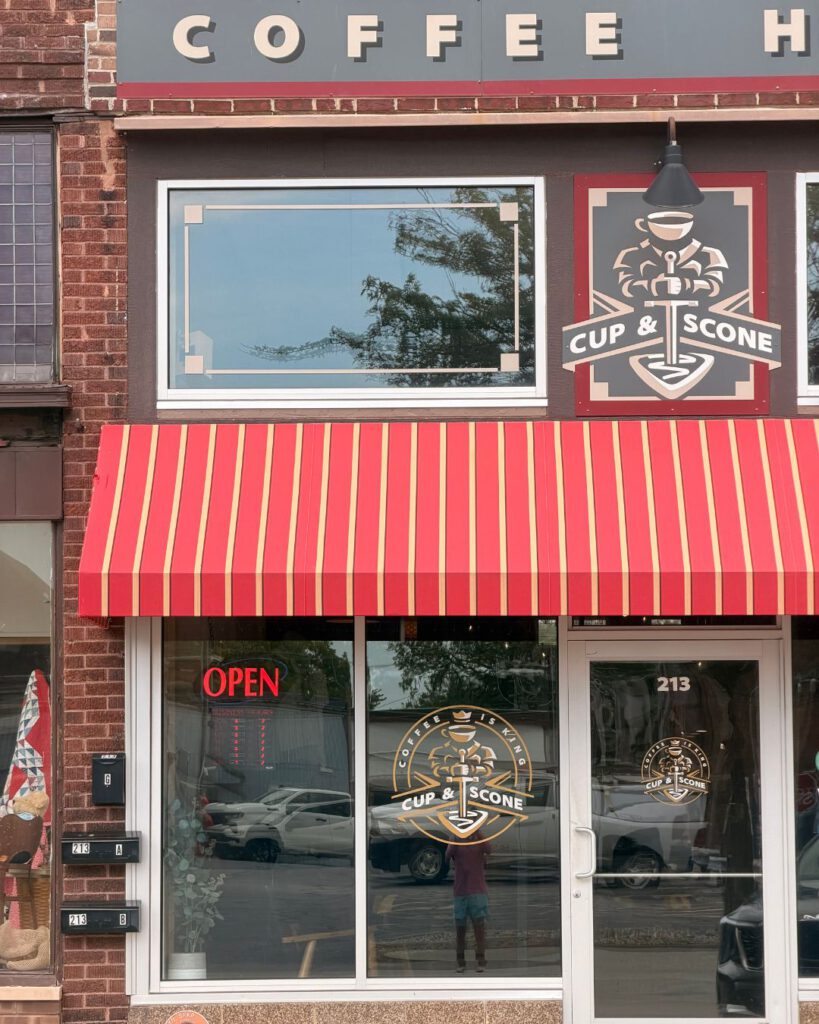
Each of these towns also has great stops for a coffee, and they are worth a break. You can also see in every town that is part of the historic Route 66 that they will have a sign of the Route somewhere in the city center. For me, it became a game to find the sign and take a picture in front of it.
Read more: Why I planned an Illinois Road Trip?
Springfield, the Route 66 Capital of Illinois
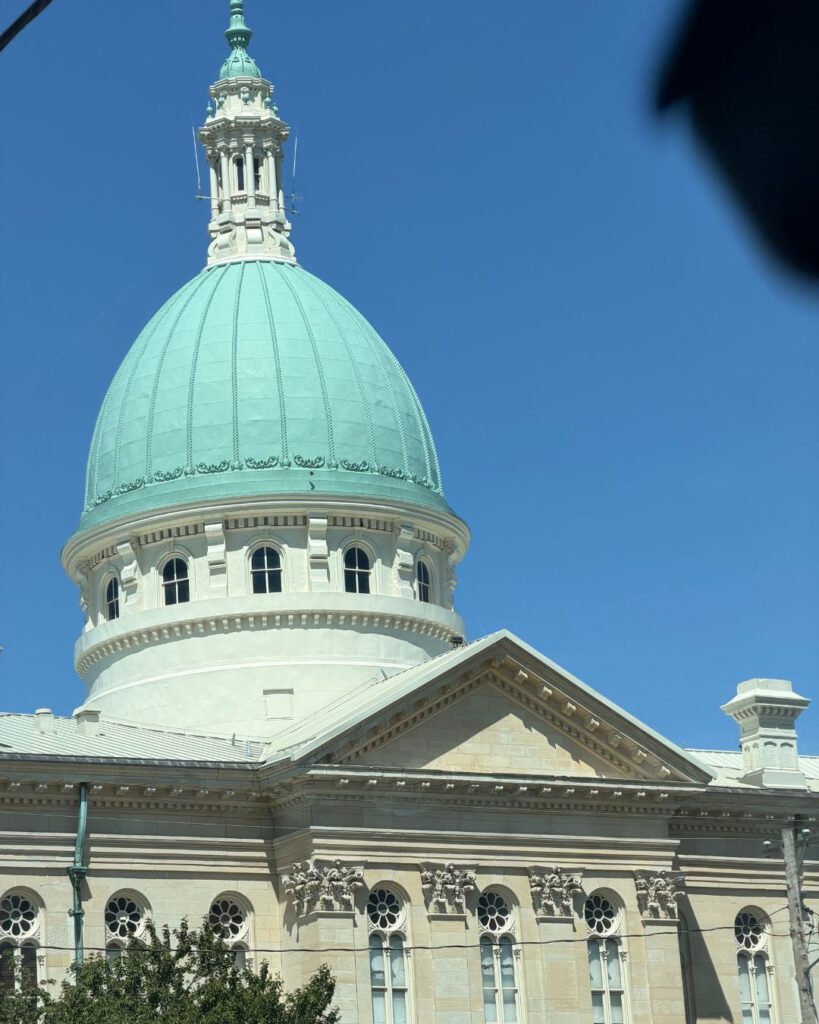
Springfield is the biggest stop between St. Louis and Chicago, and it earns its place on any Route 66 itinerary for two reasons. First, it is the state capital, which means the city has invested seriously in preserving its Route 66 heritage. Second, it is the home of the Cozy Dog Drive In, the birthplace of the corn dog on a stick, which has been serving them since 1946.
The Cozy Dog is not fancy. It is a low slung roadside diner with a bright red sign, wooden booths, and walls covered in Route 66 memorabilia. The corn dogs are okay, but the atmosphere is what you are paying for. This is one of the few Route 66 institutions still owned by the founding family, and it feels like it.
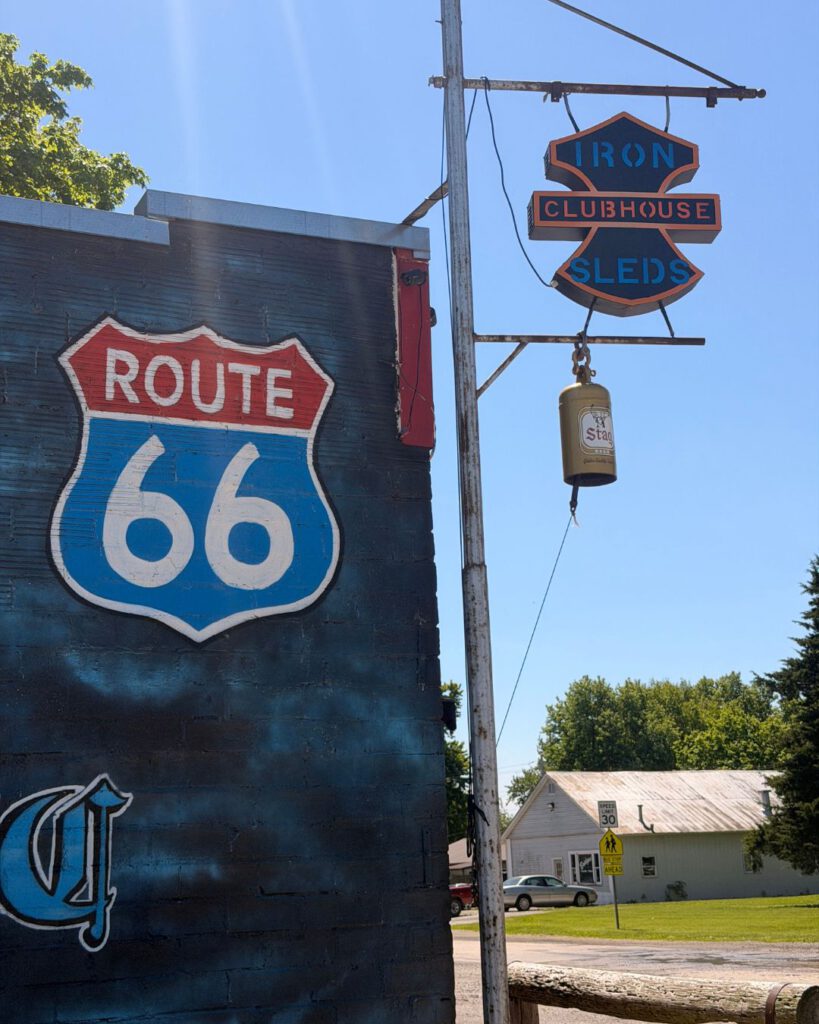
Insider tip: Avoid using Google Maps to get to Springfield. All options will take you through the interstate. To feel and appreciate the historic Route 66, you need to read signs, ask for locations, or follow one of the paper maps you can buy at any souvenir shop.
Bloomington and Normal, the Twin Cities
Bloomington and its twin, Normal, sit right in the middle of Illinois and mark the halfway point between St. Louis and Chicago. This is where Route 66 stops feeling small town and starts feeling like a proper city again, at least briefly. Illinois State University is here, which means the towns have a younger, more energetic feel than most Route 66 stops.
If you have time, drive out to the town of Funks Grove just south of Bloomington. The Funks family has been making pure maple syrup (spelled that way on purpose) since 1824, and their farm shop is one of those places you did not know you needed to visit until you are standing in it.
Insider tip: Bloomington-Normal has the best restaurant options between St. Louis and Chicago. If you have been eating diner food for three days, this is the stop to go for something healthier.

Pontiac, the Route 66 Town That Went All In
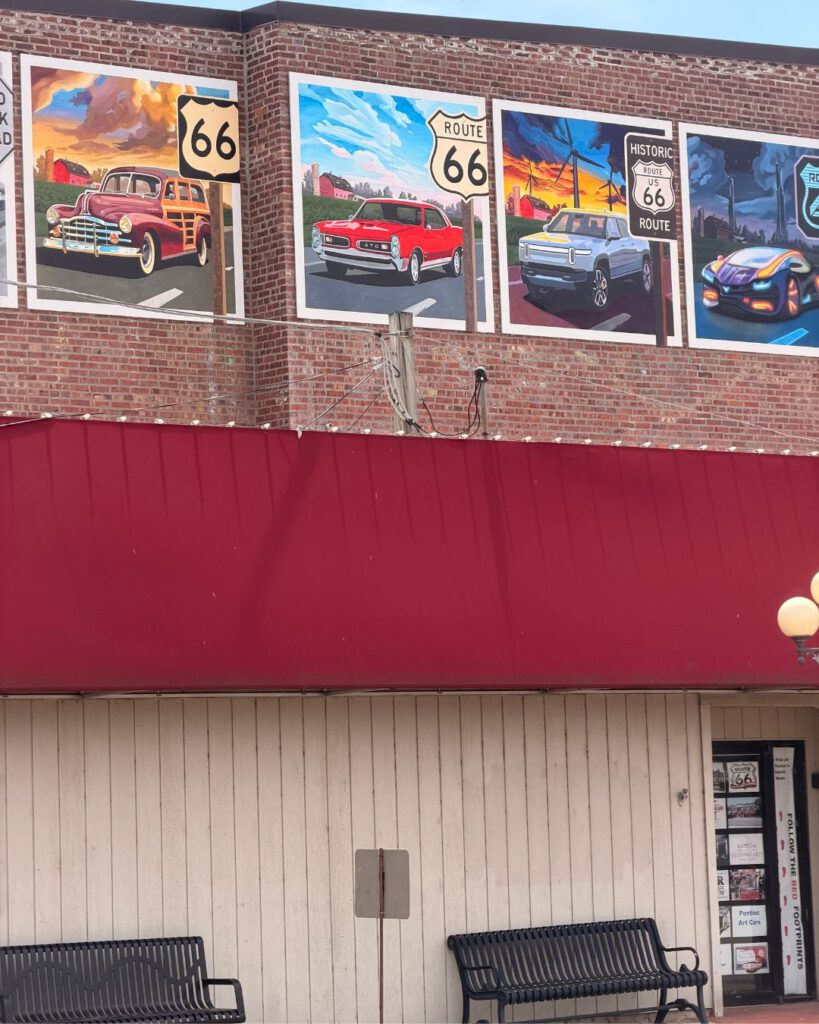
Pontiac is where Illinois decided to become the Route 66 capital of the world, and it shows. The town of about 11,000 people has more Route 66 murals per square meter than probably anywhere else on the entire route. Over 20 large scale murals cover downtown walls, all of them Route 66 themed, and walking around with a camera is a legitimate afternoon activity.
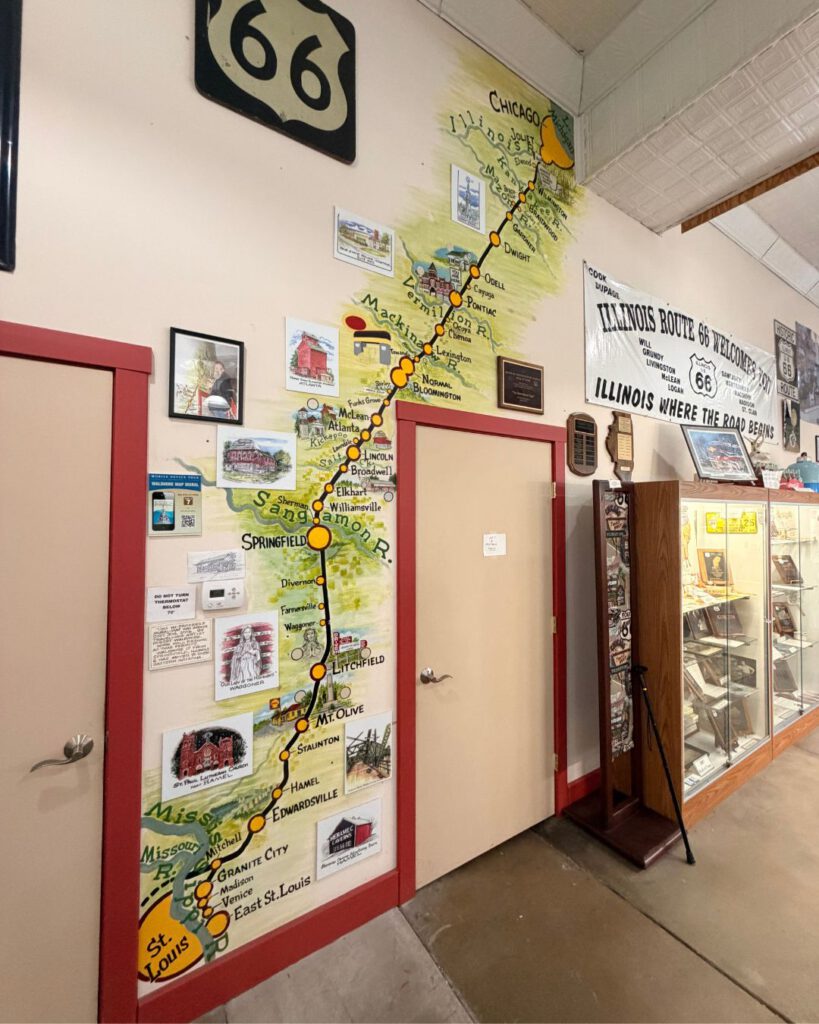
The main attraction is the Illinois Route 66 Hall of Fame and Museum, which is genuinely worth the stop. It is free, it is bigger than it looks from the outside, and it holds one of the best collections of Route 66 artifacts anywhere. The centerpiece is Bob Waldmire’s VW van and school bus, both of which he lived and traveled in for decades. If you have seen the movie Cars, the character Fillmore is based on Waldmire.
Insider tip: Park somewhere in the city center and just walk. Everything worth seeing in Pontiac is within a 15 minute walk of the town square, and driving from stop to stop misses the point.
Chicago, the End (or the Beginning)
The final push from Pontiac to Chicago covers about 100 miles and takes you through the last string of small towns on the road: Dwight and its restored Ambler’s Texaco Gas Station, Wilmington and the Gemini Giant (a 28 foot tall fiberglass astronaut standing outside an old diner), and Joliet, home of the Route 66 Welcome Center and the old prison from The Blues Brothers.
Then the road ends. Or begins, depending on which direction you drove. The official eastern terminus of Route 66 is at the corner of Adams Street and Michigan Avenue in downtown Chicago, right next to the Art Institute. There is a small brown sign that says “Route 66 Begin,” and most people miss it entirely.
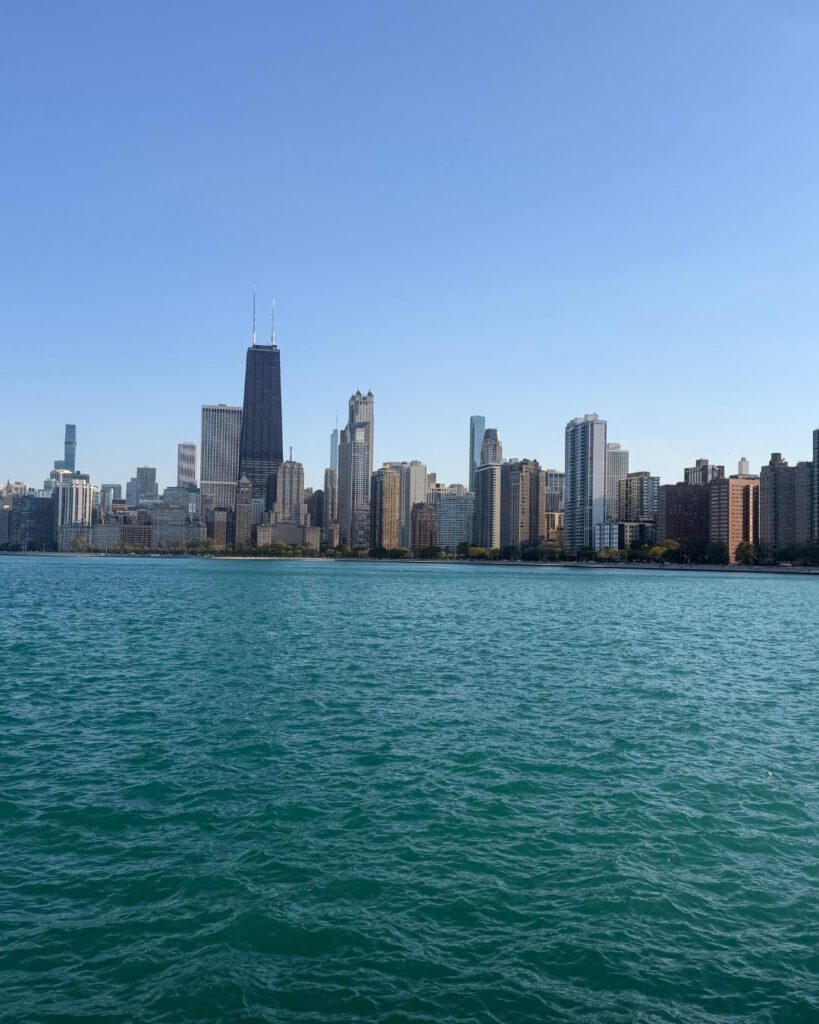
If you started in St. Louis, standing under that sign feels different than it should. You have driven through farm country, past giant fiberglass astronauts and pink elephants, eaten corn dogs from a place that invented them, walked over a bent bridge on the Mississippi, and now you are standing in downtown Chicago with the sound of the L train overhead. The road that started at a two lane bridge in Alton ends at a traffic light between two skyscrapers.
If there is something I would have done differently, it would have been to take more time in each stop. Definitely do not try to do it in a day. Give it at least three, ideally four, and let yourself get distracted by the small stuff. That is where the true road hides.